Six months to build the system. 29 days to put it into motion.
Strategy, creative development and real-time content production across the Tour de France and Tour de France Femmes.
Strategy, creative development and real-time content production across the Tour de France and Tour de France Femmes.
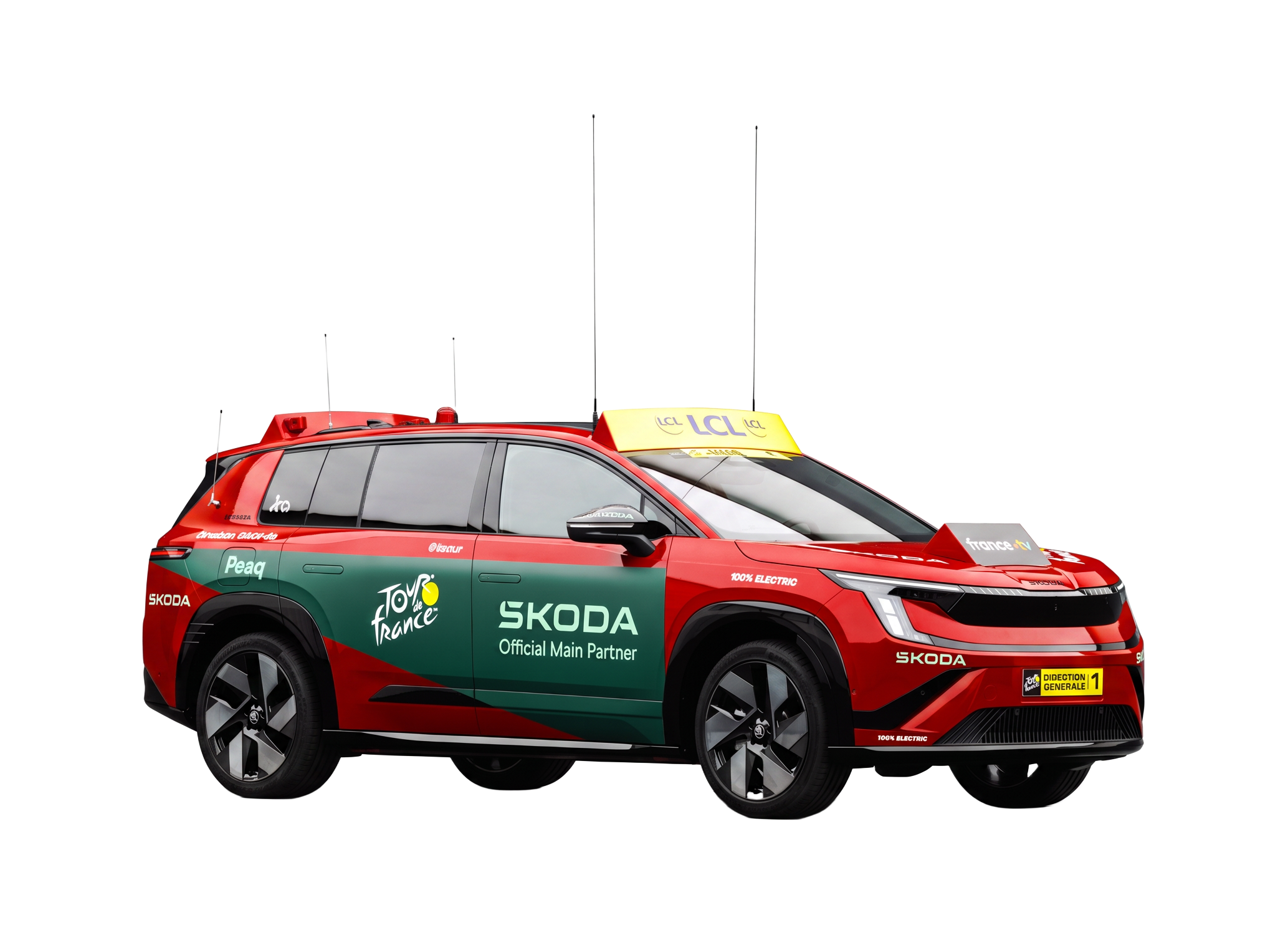
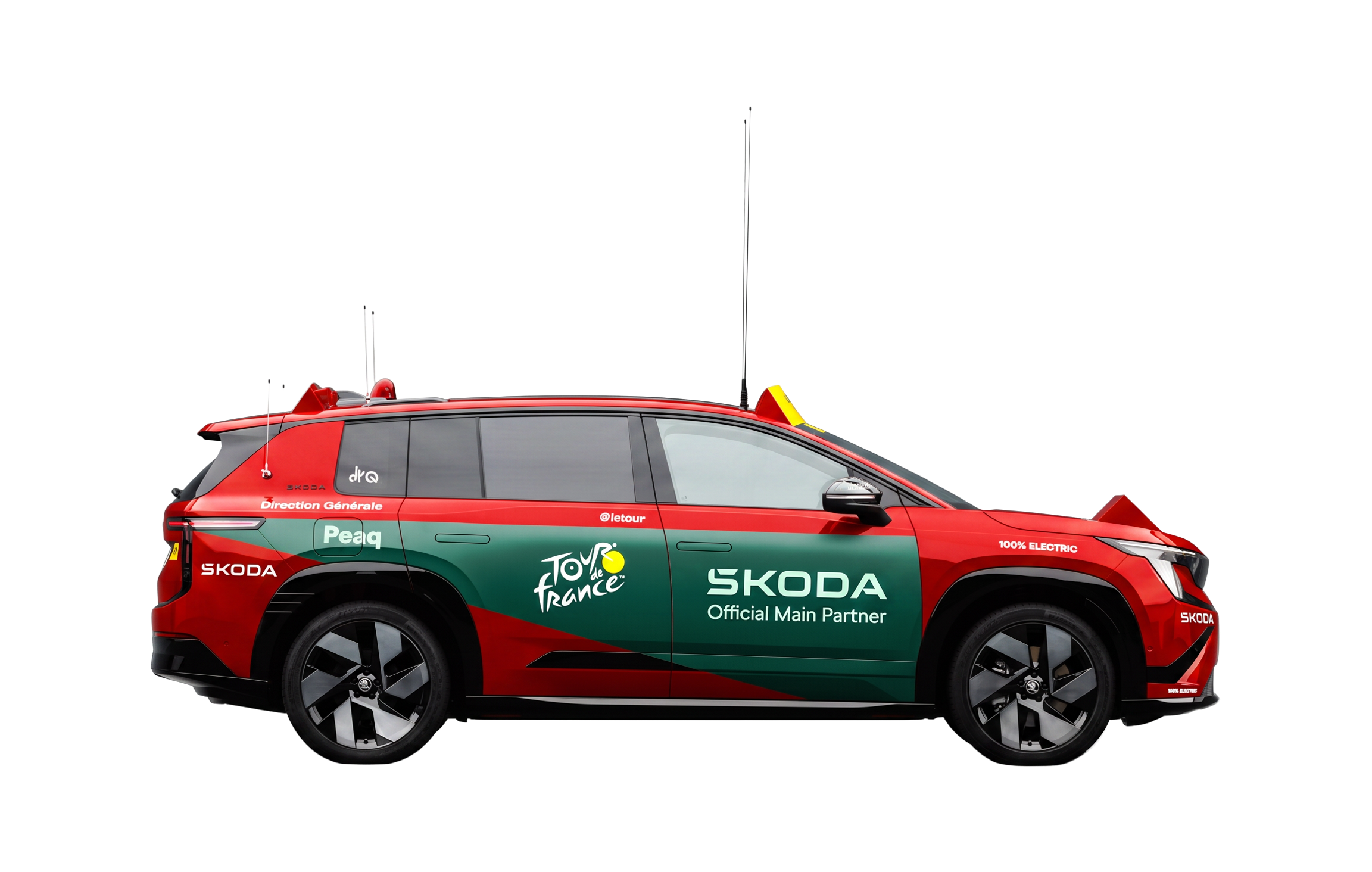
Two new Škoda models. One of the biggest sporting stages in the world.
Škoda Epiq and Škoda Peaq were entering communication. The Tour de France gave us an extraordinary environment to introduce them into culture, entertainment and social conversation — not into a product catalogue.
The ambition was never to show new cars. It was to build a social content ecosystem around memorable moments happening inside and around the race: riders, fans, creators, legends, executives, Škoda products, and the situations that only exist when you are physically inside the Tour.
Traditional race coverage already existed everywhere. Our opportunity was different.
Make the audience feel closer to the Tour than any broadcast could.
MOMENTS
A definition of what counts as an EPIQ moment — and a mechanism to turn real Tour moments into recognisable brand content, every single day.
Six months before the race, we started building the content system behind it.
The challenge was not to invent 29 days of individual posts in advance. It was to create a campaign architecture that could survive 29 days of unpredictable reality.
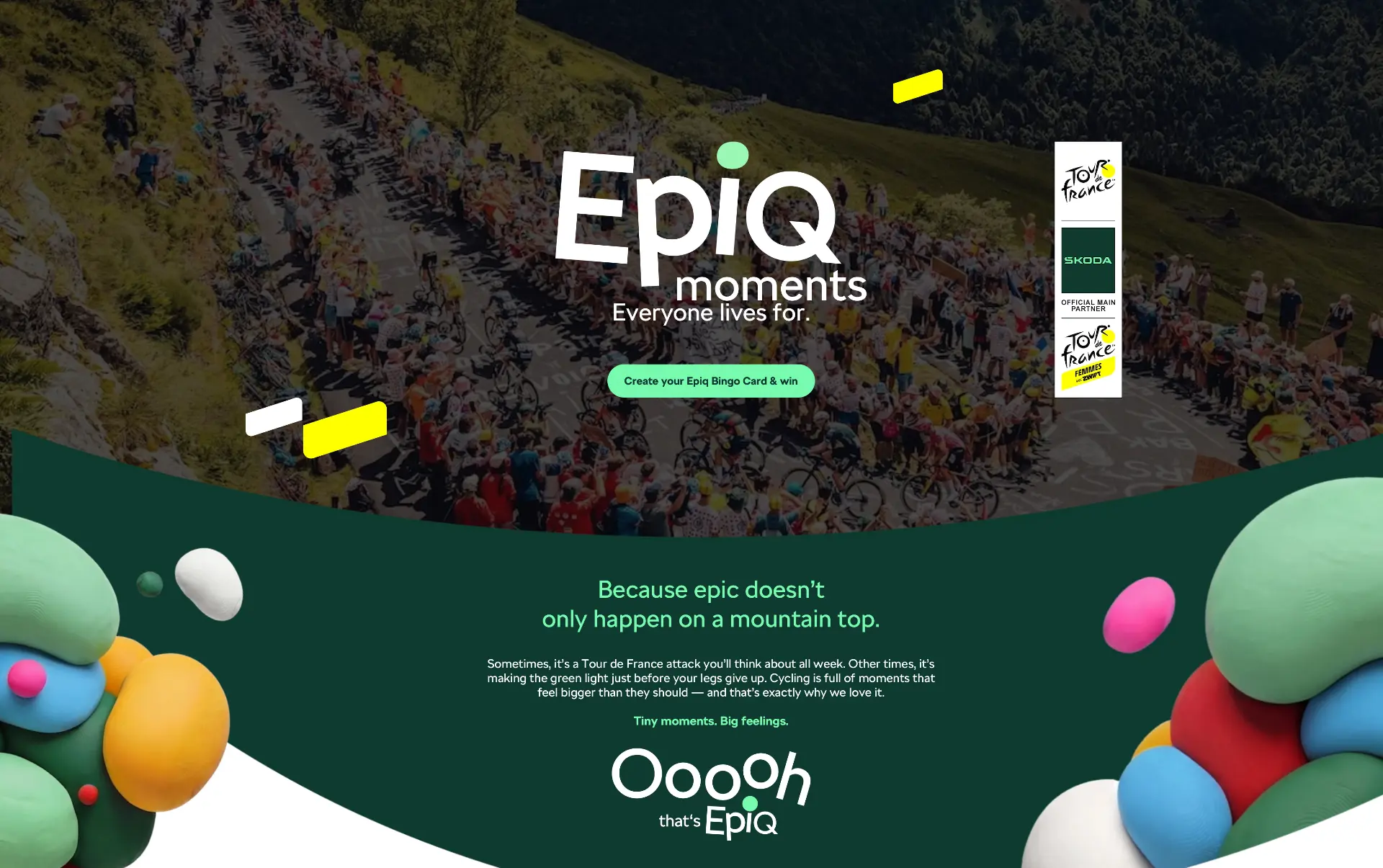
EPIQ Moments
Define what an EPIQ moment actually meant — so the campaign could move beyond product communication and turn real Tour moments into recognisable brand content.
Formats that repeat without repeating
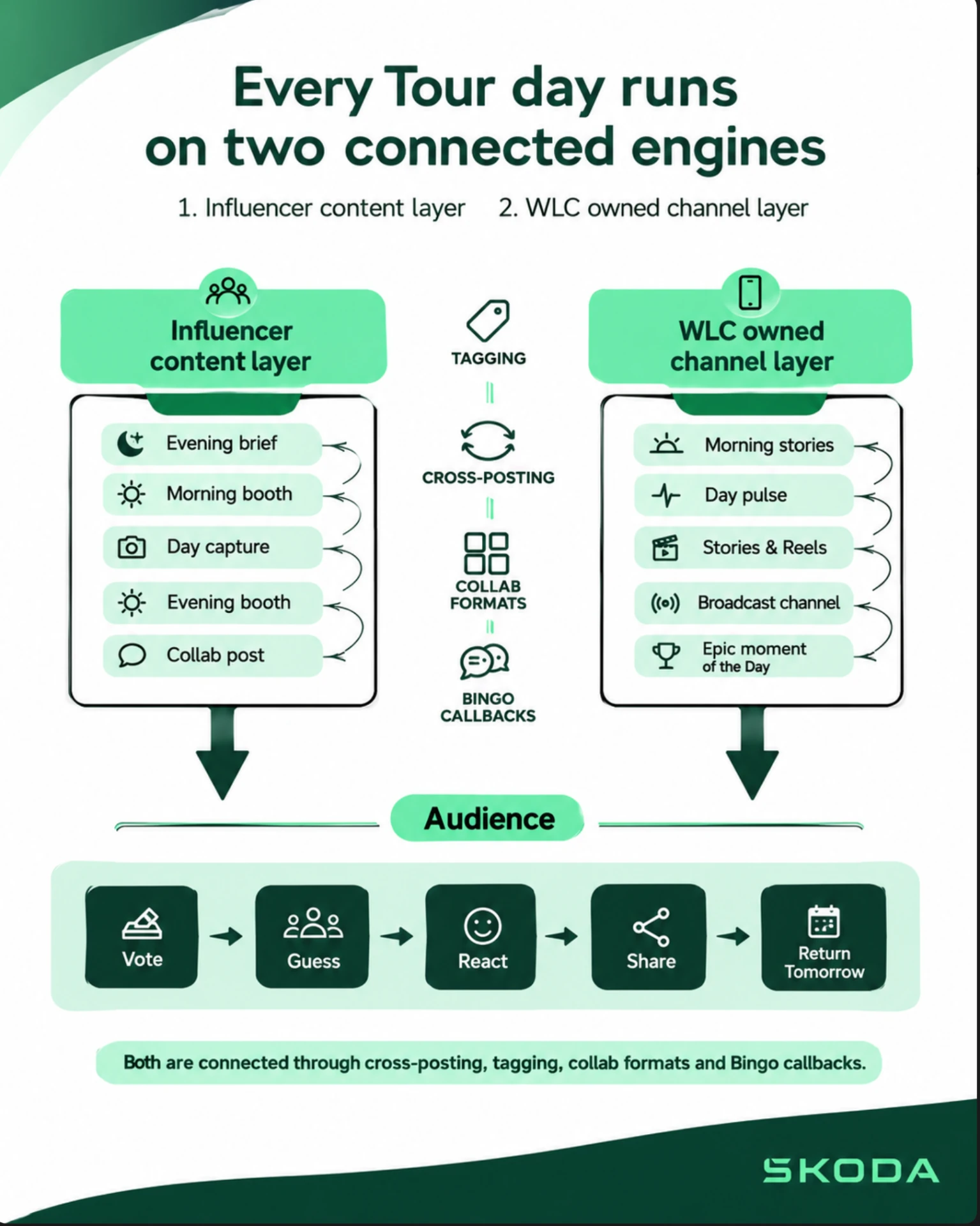
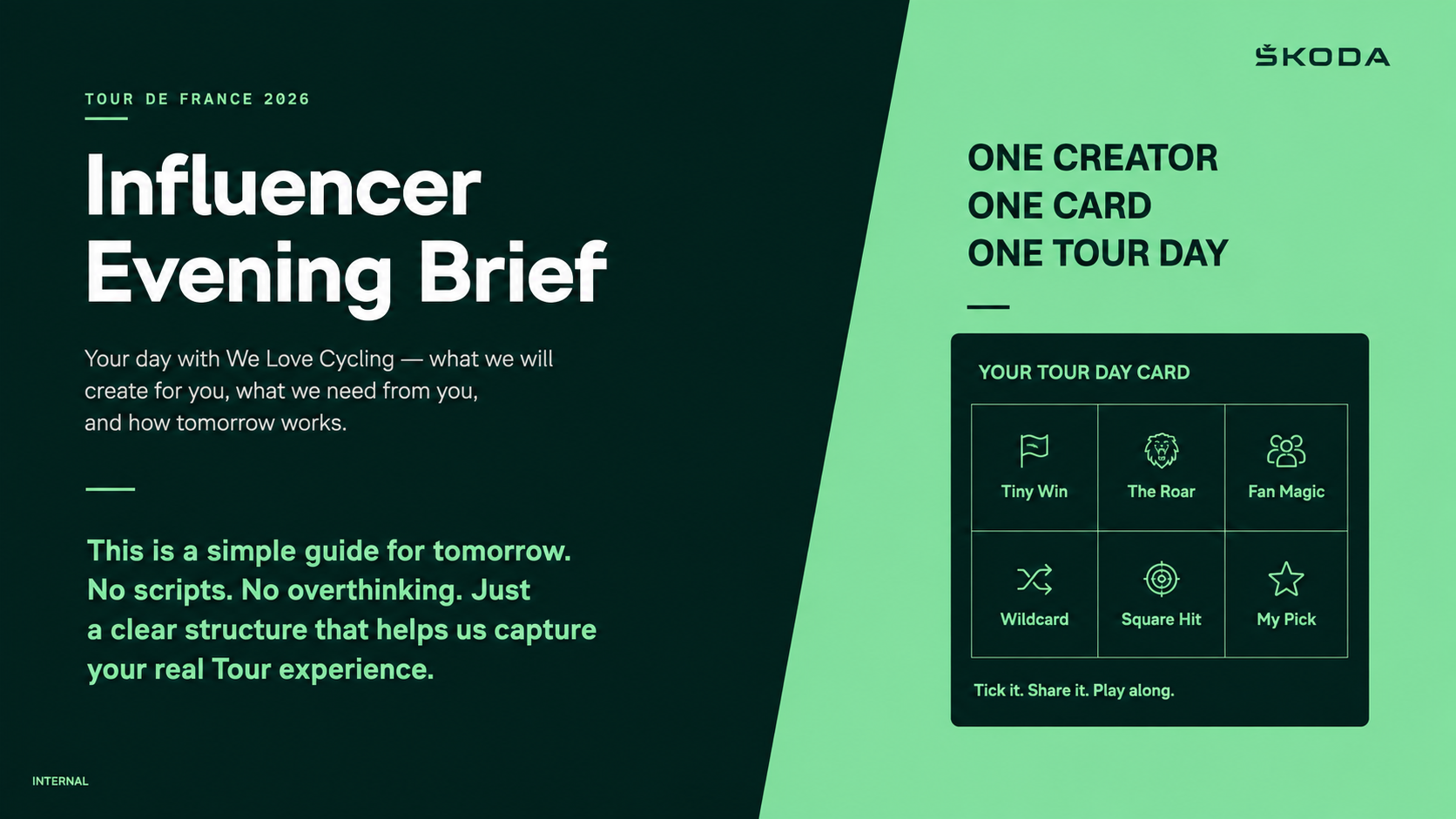
Recurring formats gave the campaign consistency without forcing every day to look the same: EPIQ Moments, EPIQ Bingo, Morning Booth, Evening Booth, creator-led formats and social storytelling.
One format, very different people
Professional riders, cycling legends, creators, ambassadors, guests and executives. Simple enough to execute in minutes, open enough for every personality to feel natural.
Beyond one account, one market
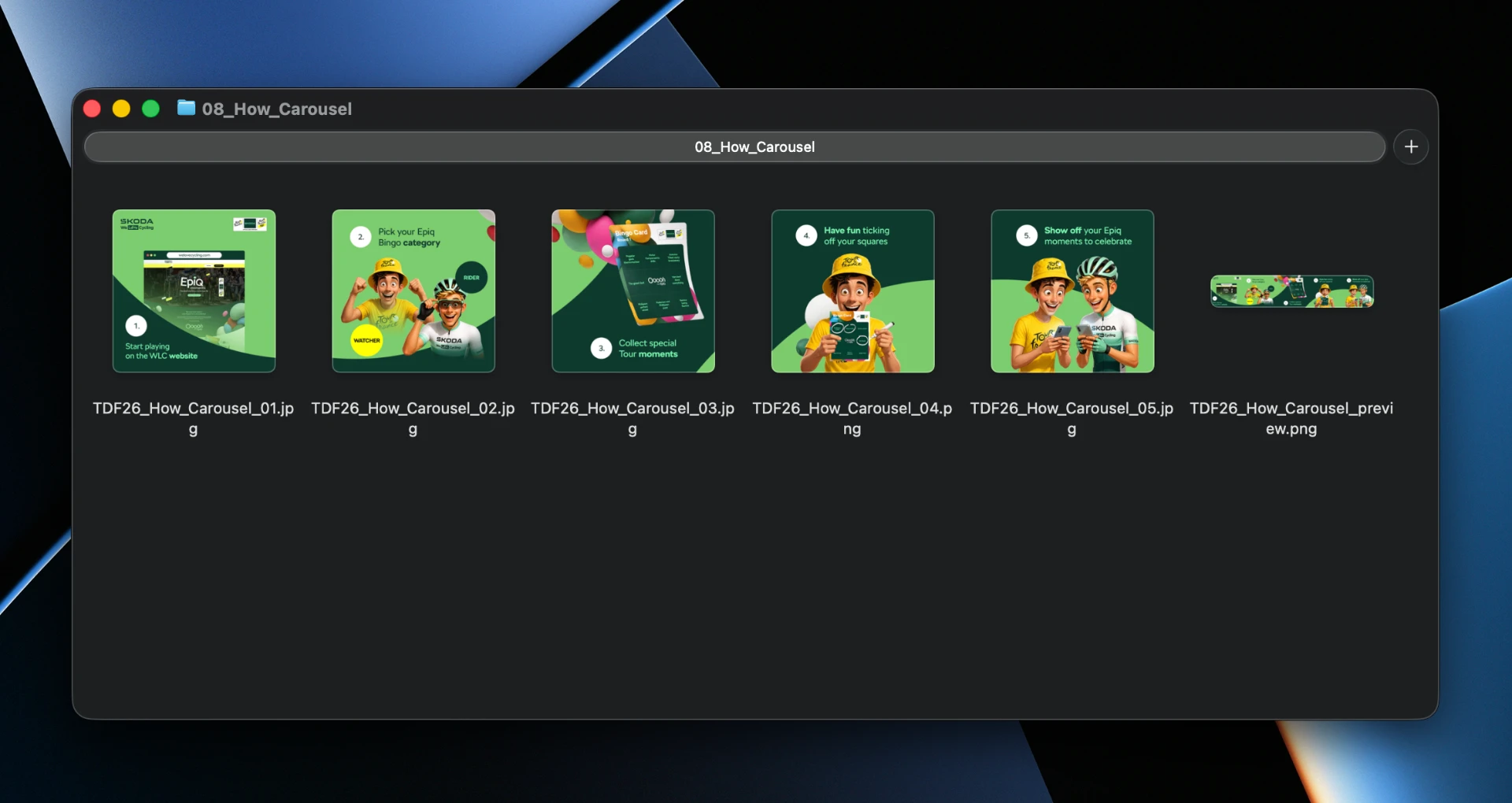
Content architecture and assets prepared so international markets could adapt and publish, instead of waiting on a single channel.
Idea to live, while it still matters
Idea → production → edit → feedback → approval → social copy → publish, designed to complete while the event was still culturally relevant.
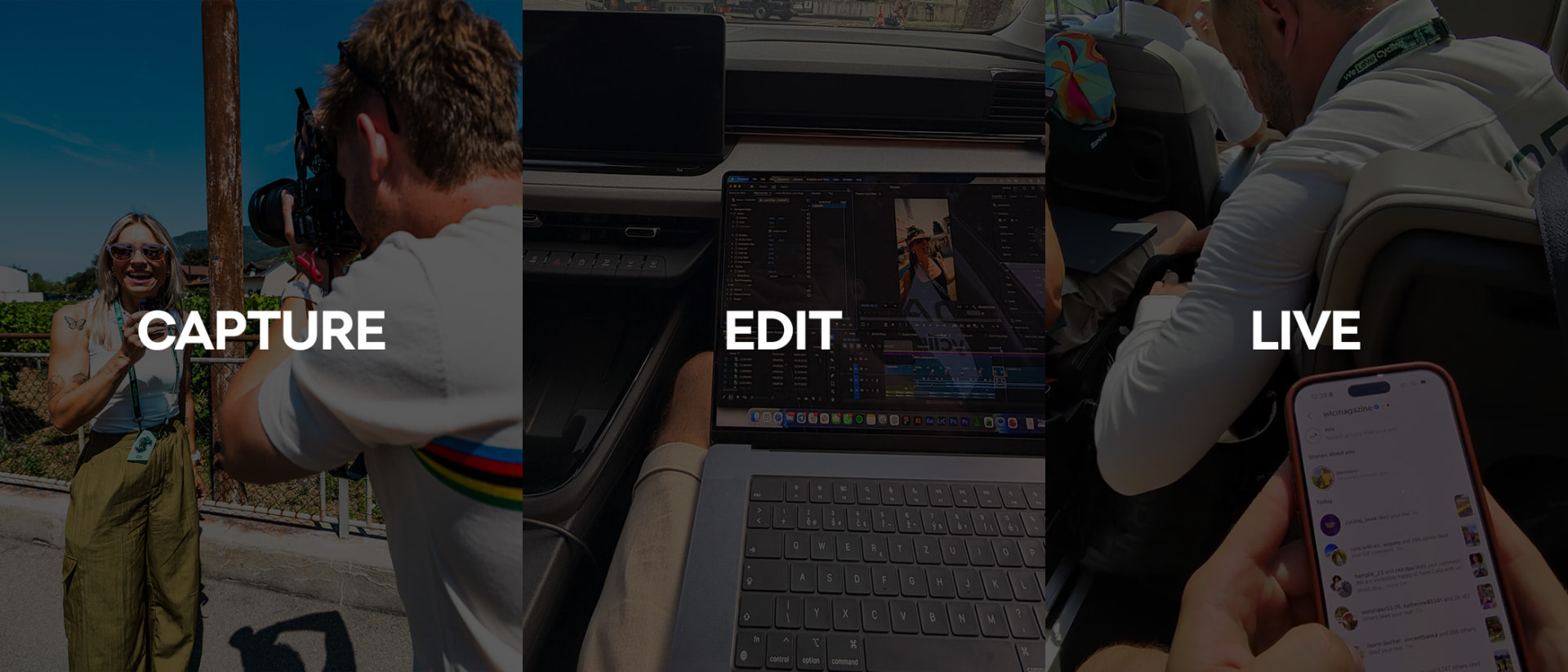
Everything possible, prepared in advance
Templates. Bingo cards. Creator briefs. Visual assets. Shot requirements. Publishing structures. All of it finished before Stage 1.
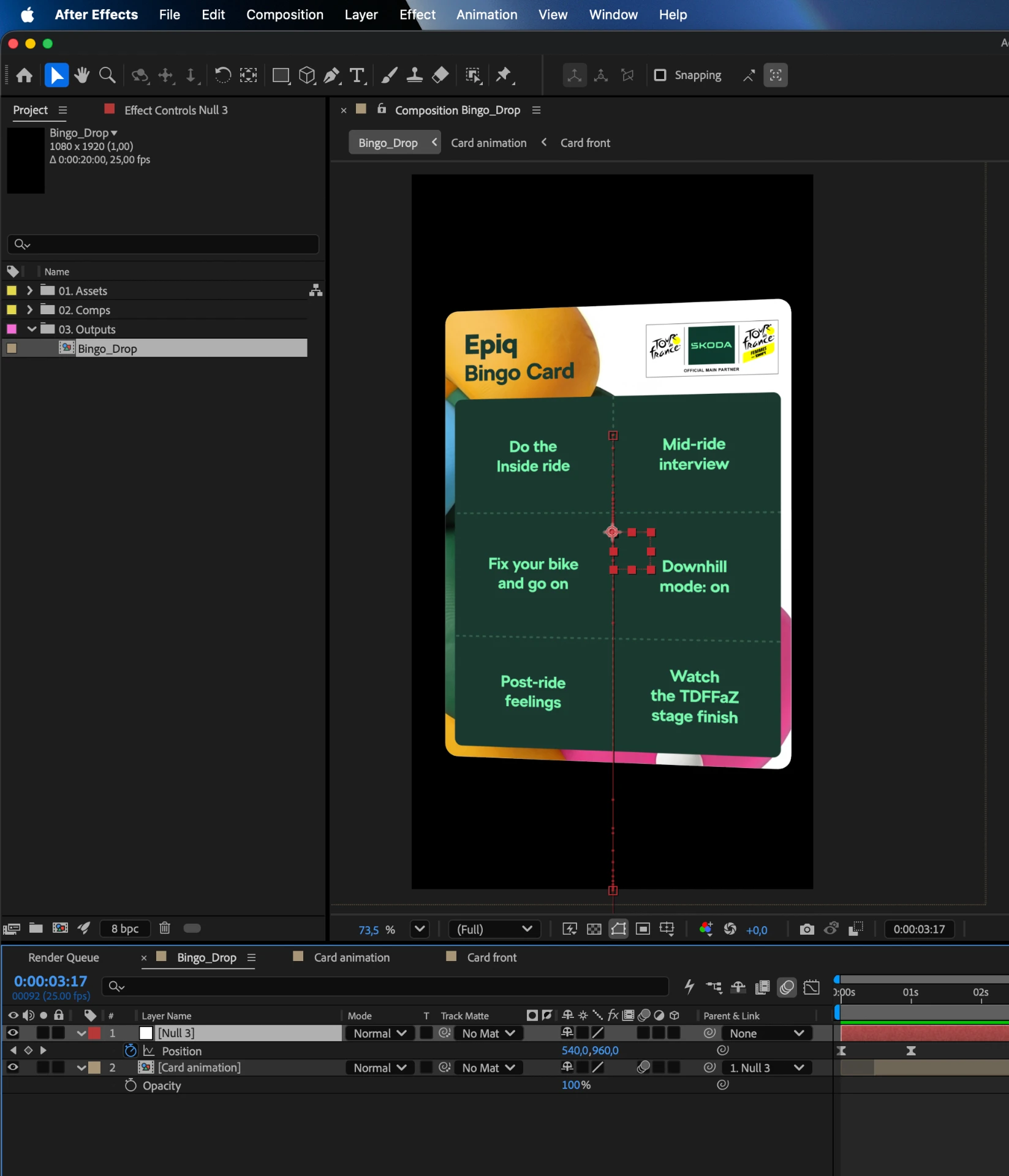
We were not trying to predict the Tour. We were building a system ready for whatever the Tour gave us.
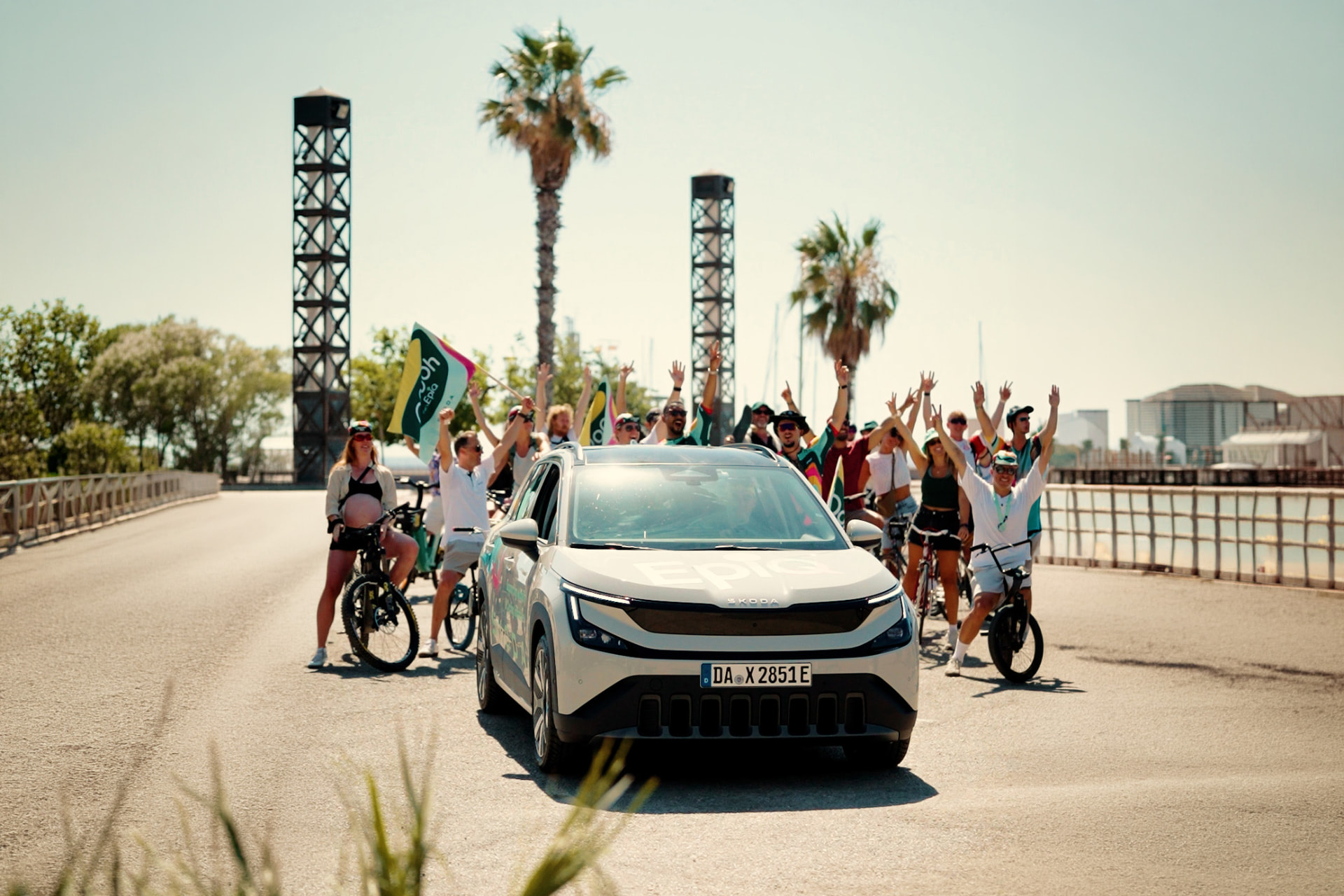
Before Stage 1, the new Škoda Epiq and Peaq were already in front of our cameras.
Before the live stage-to-stage operation began, Barcelona became our first production ground: the first social assets for Epiq and Peaq, and two activations that set the tone for everything that followed.
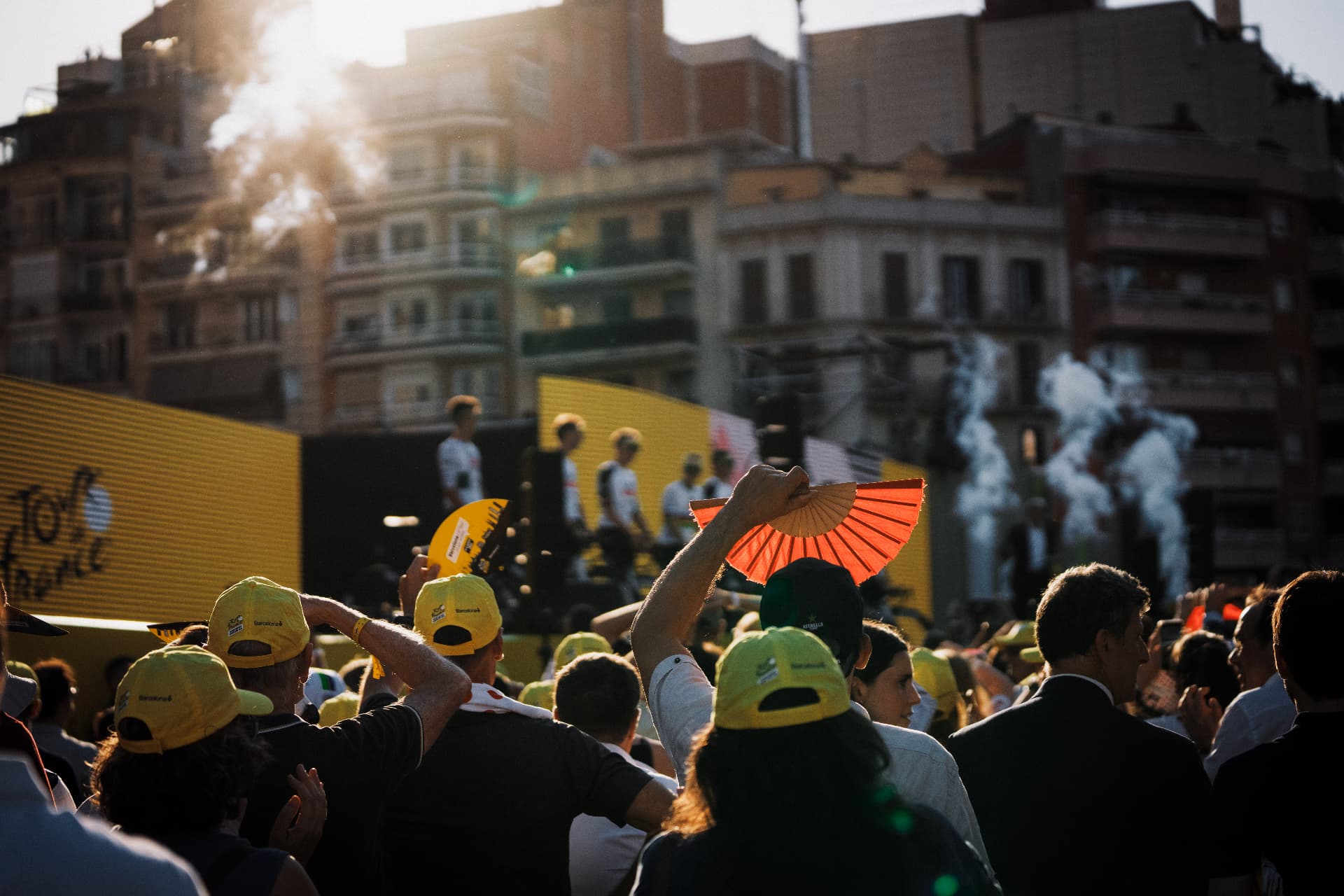
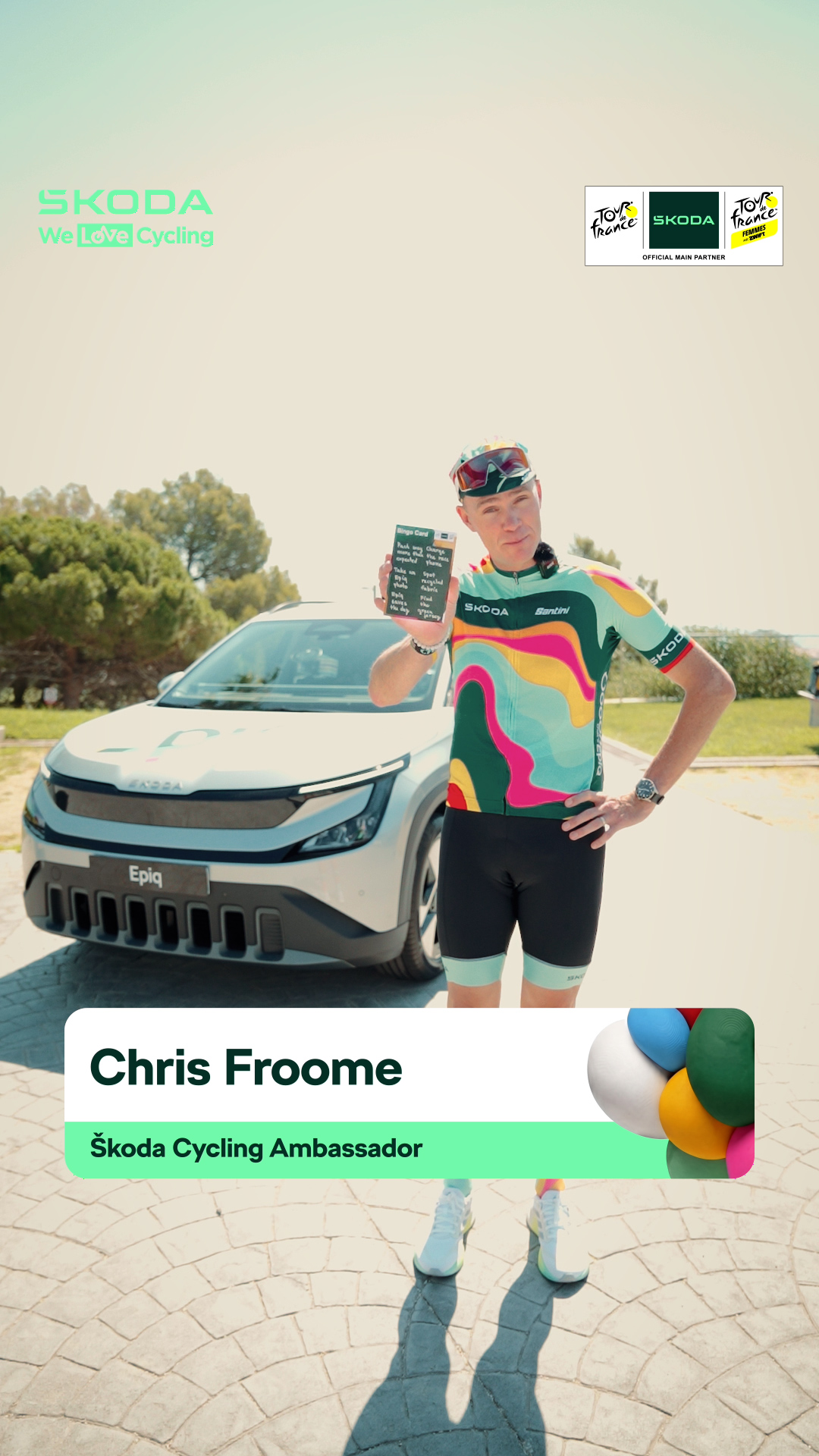
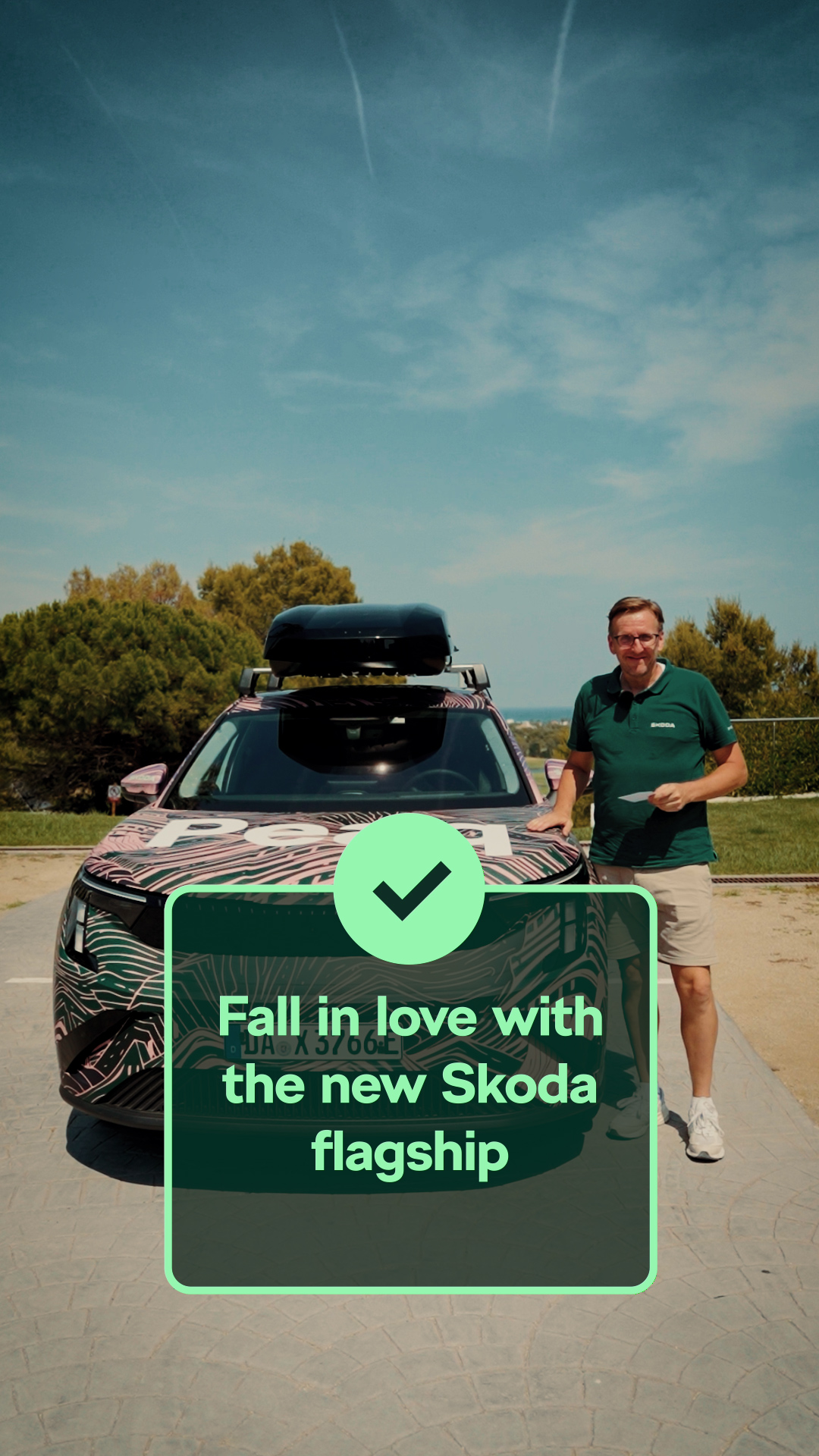
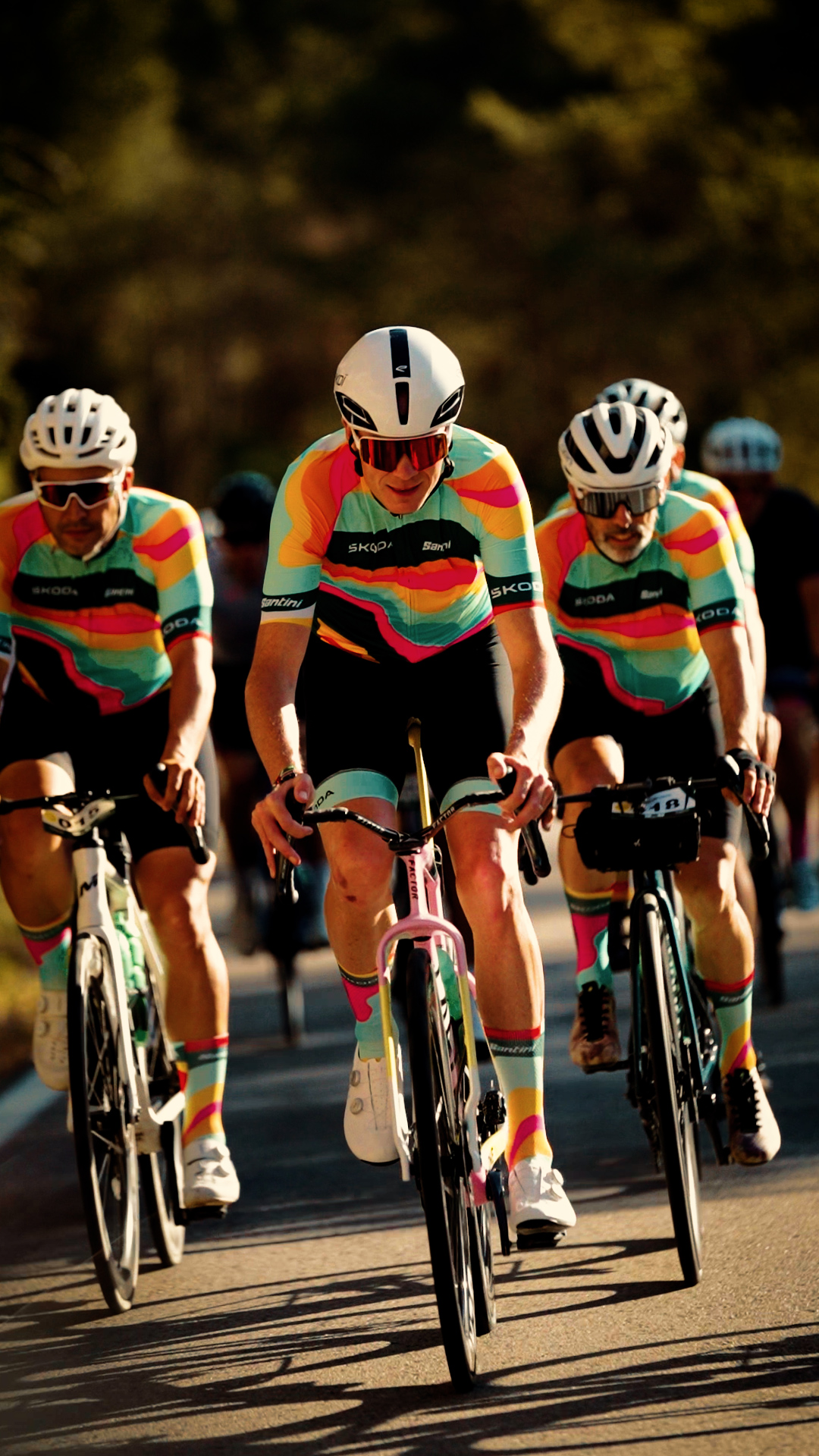
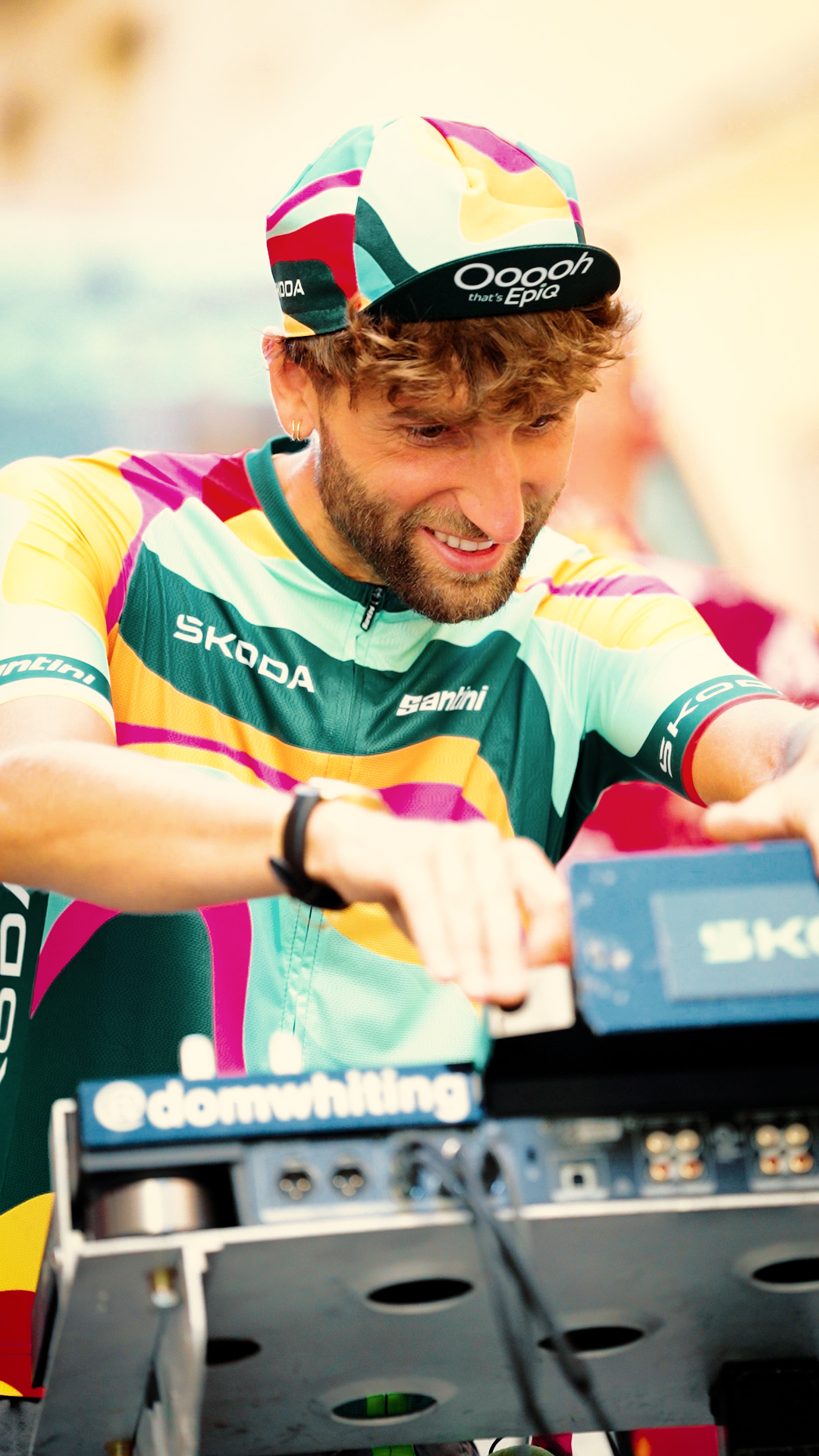
Four days of preparation were over. Stage 1 started the next morning.
Barcelona to Paris, then back south.
Then came 21 stages with nowhere to hide.
21 stages. 21 days. Every day live — and every day the same operating reality, executed in a different town, at a different altitude, with a different set of things going wrong.
Stage profile, access, transfers, who we can physically reach today.
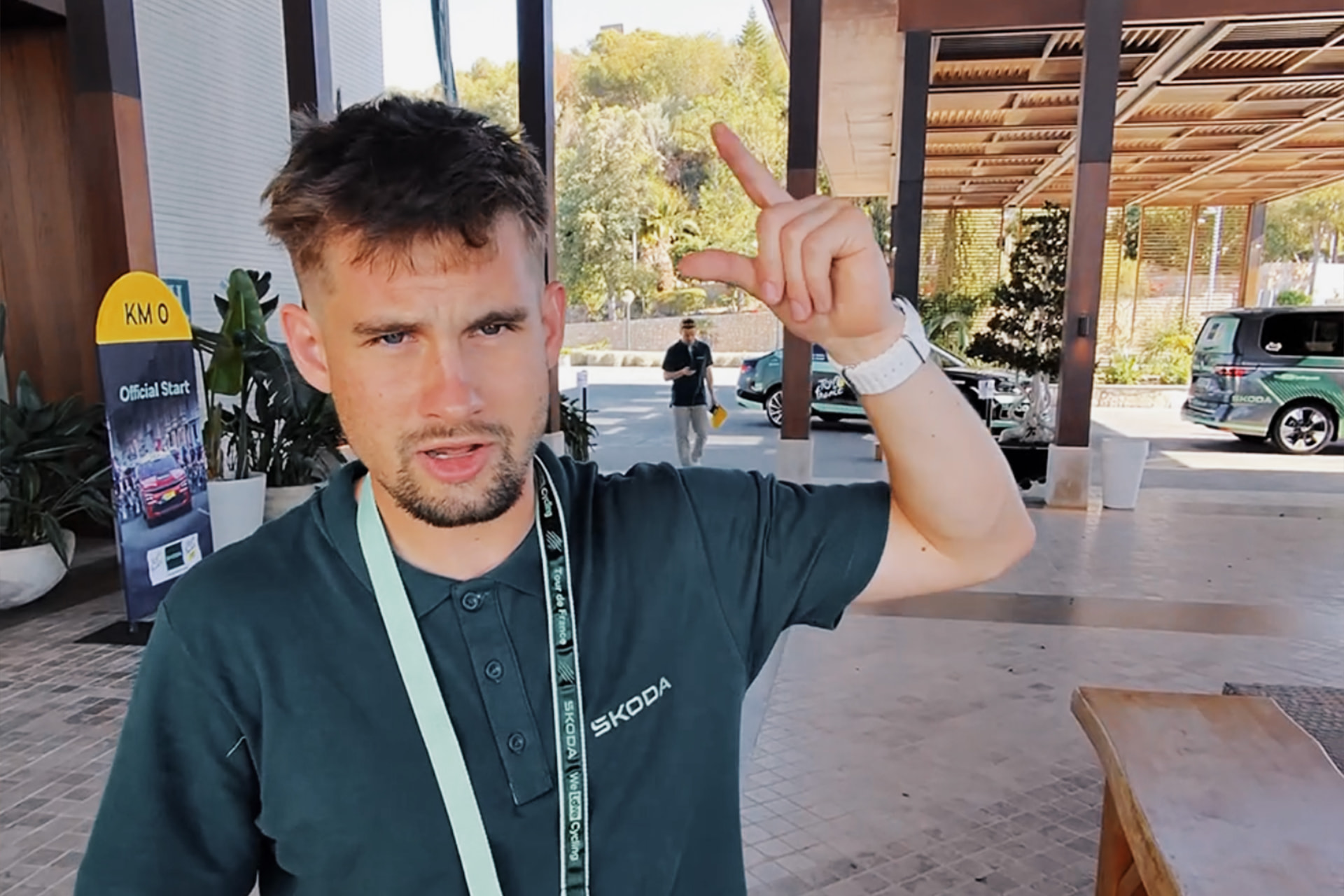
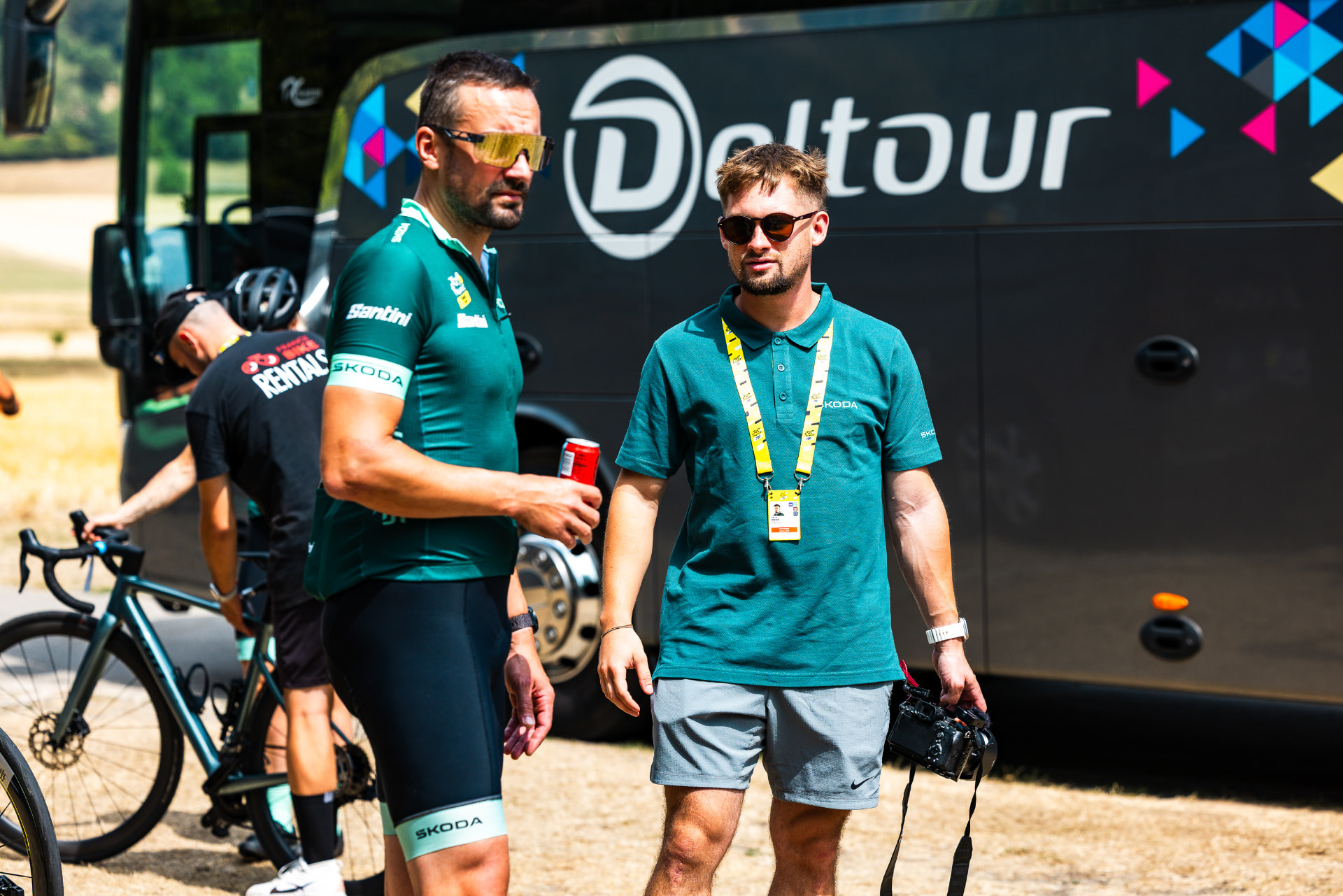
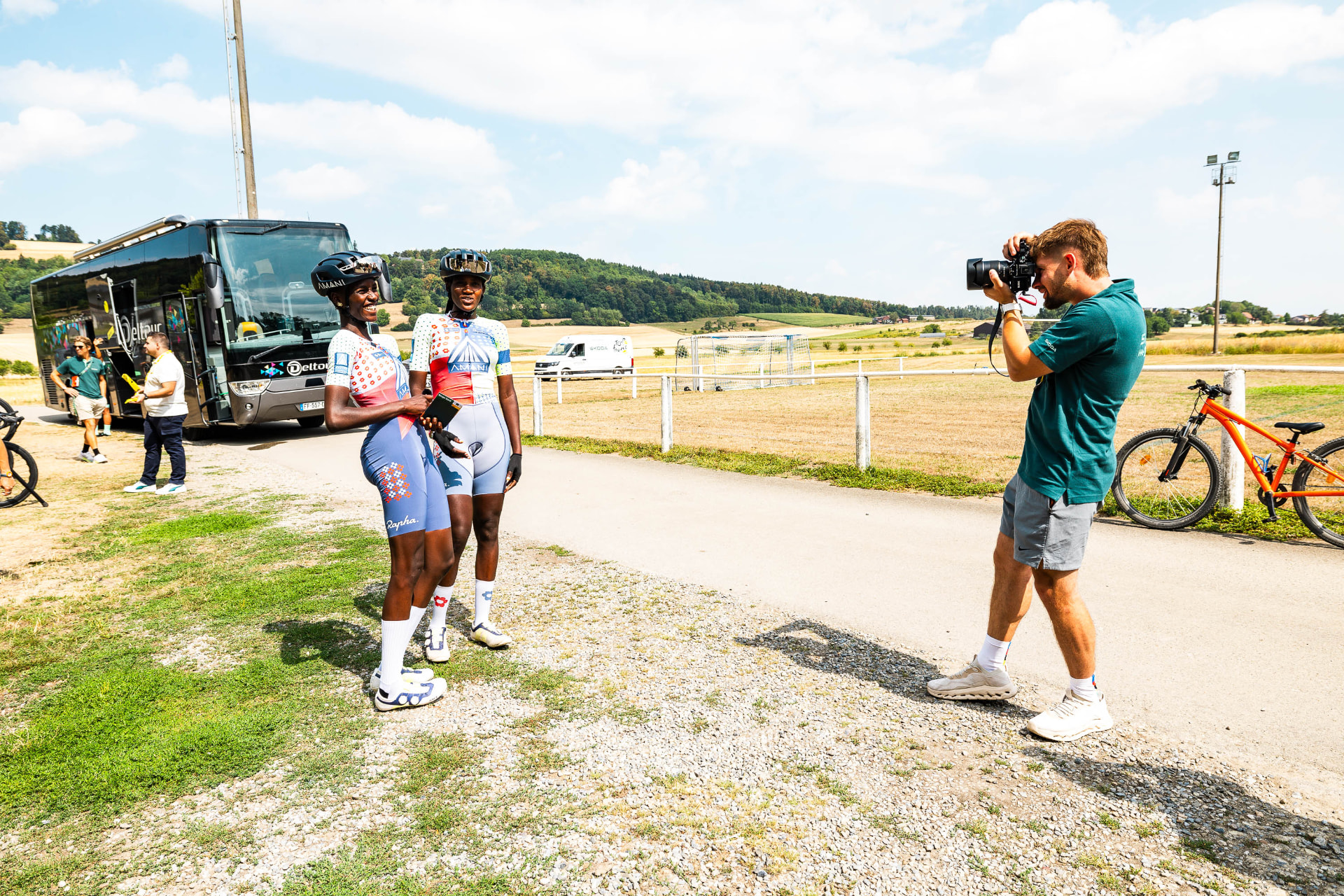
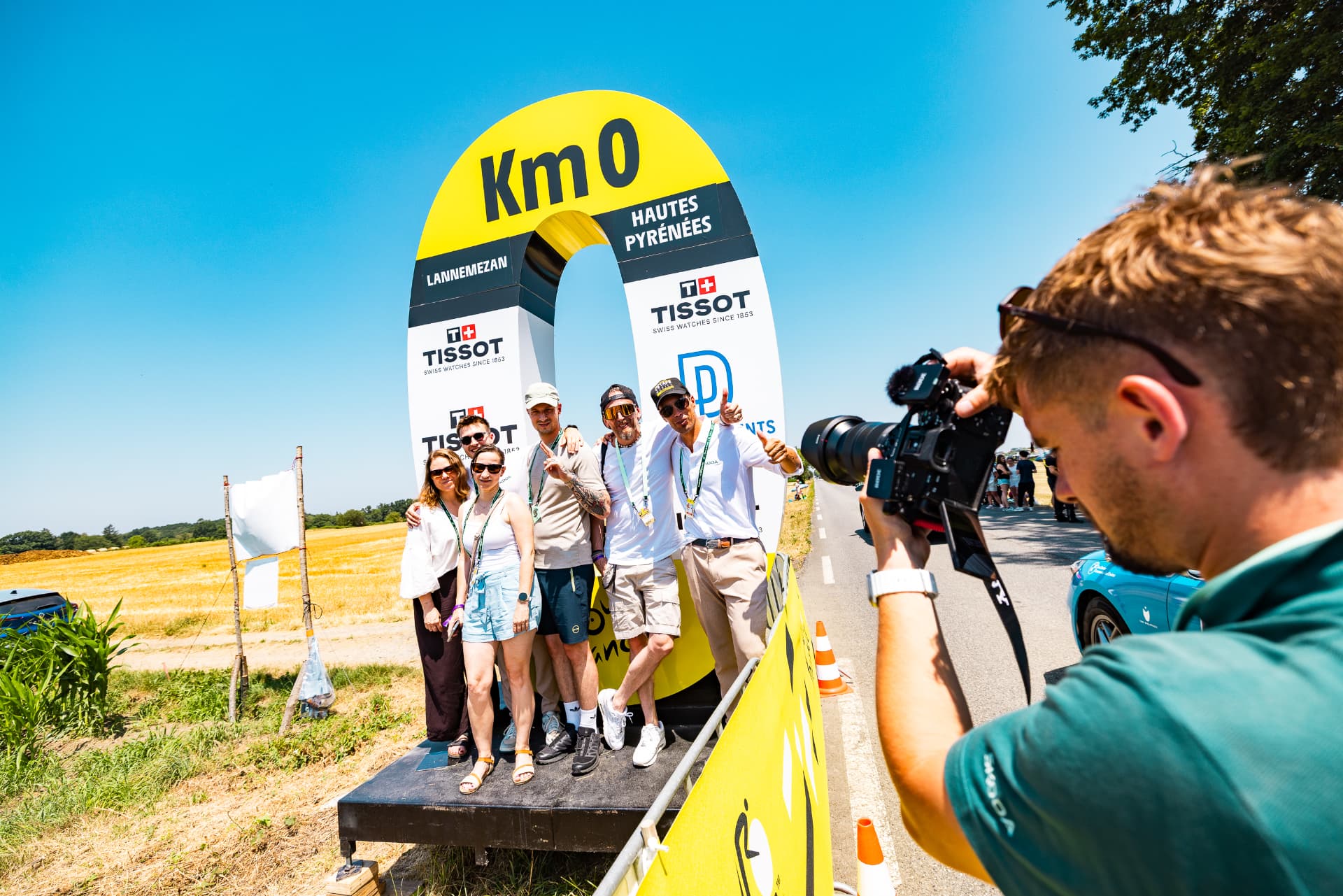
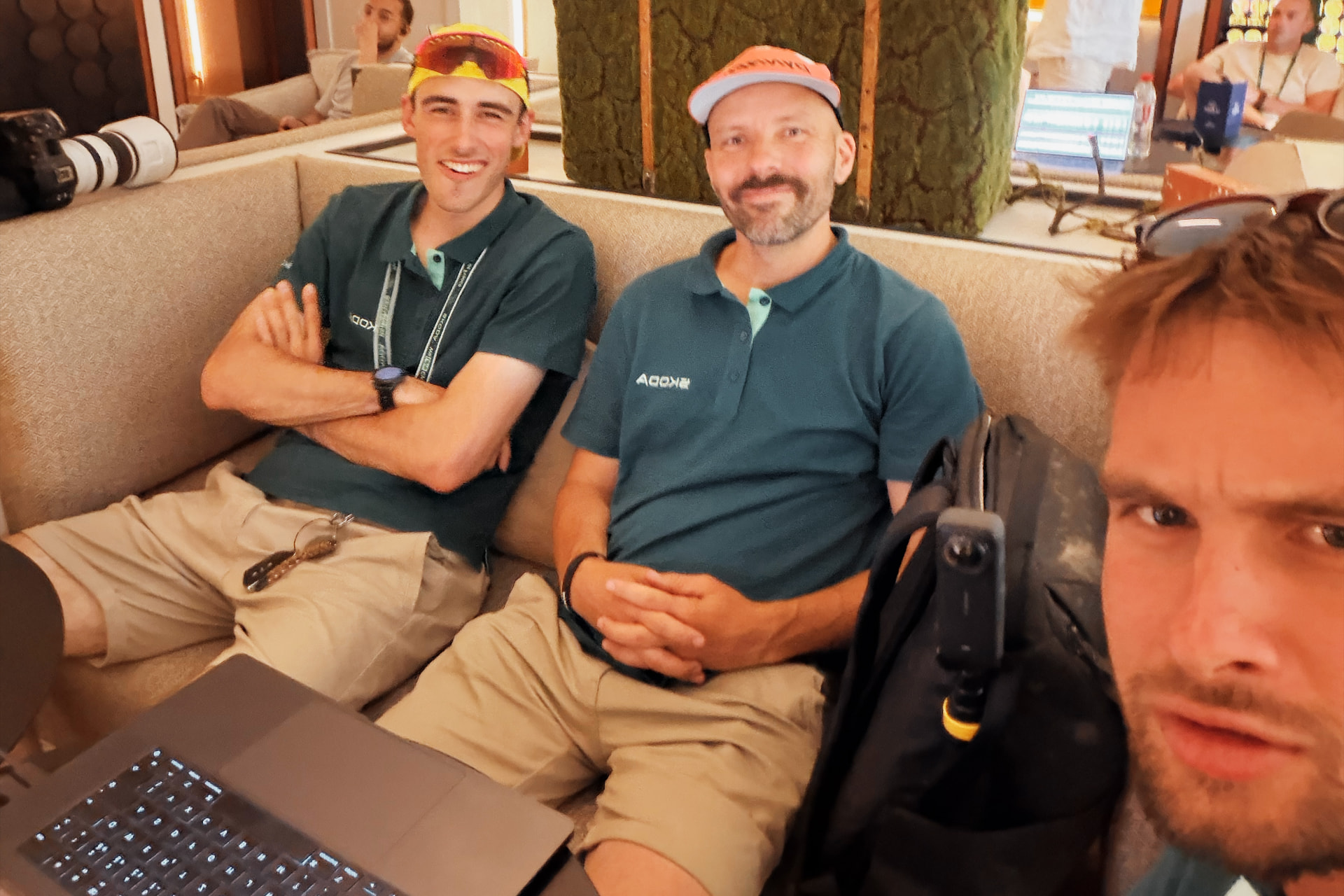
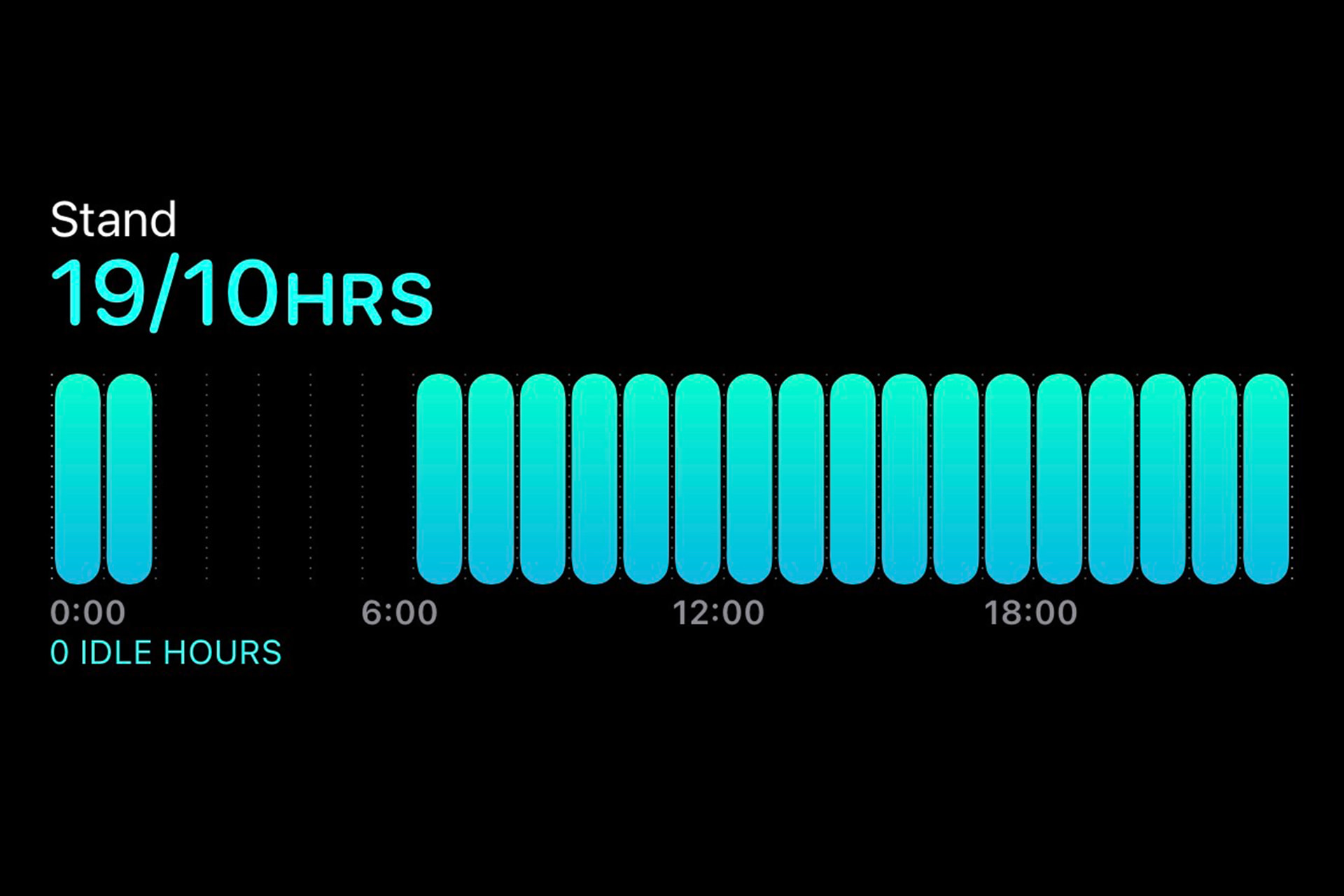
Reality does not read strategy decks.
Everything above was planned. What follows is what the road actually did with those plans.
Extreme heat
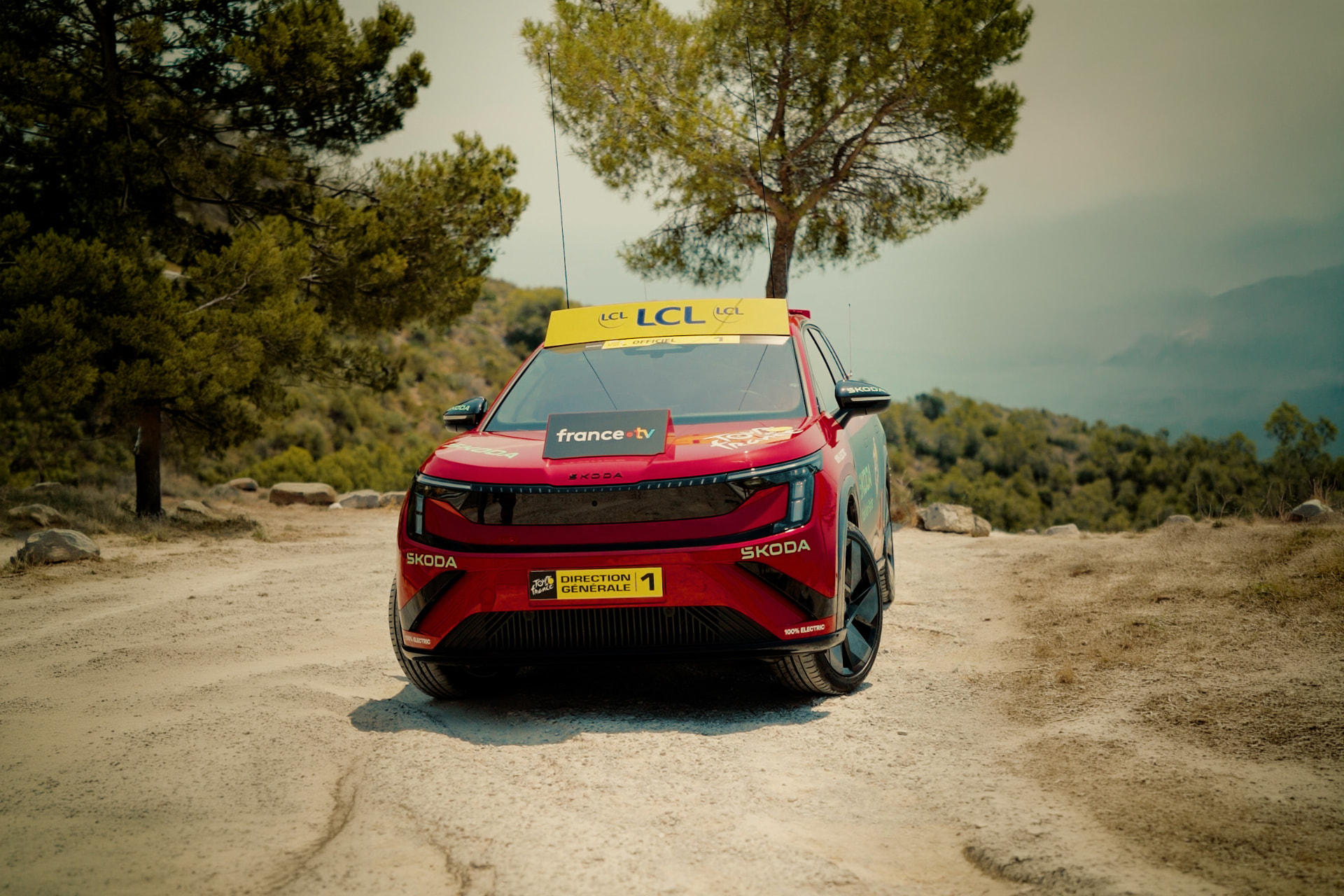
Some days the job was simply to keep working in temperatures that made the equipment, the crew and the phones all want to stop. You shoot anyway, because the stage only happens once.

No signal
Mountains eat connectivity. The moment you most need to upload is the moment there is nothing to upload with. You edit offline, keep the file ready, and publish the second a bar appears.
Wildfires and shortened stages
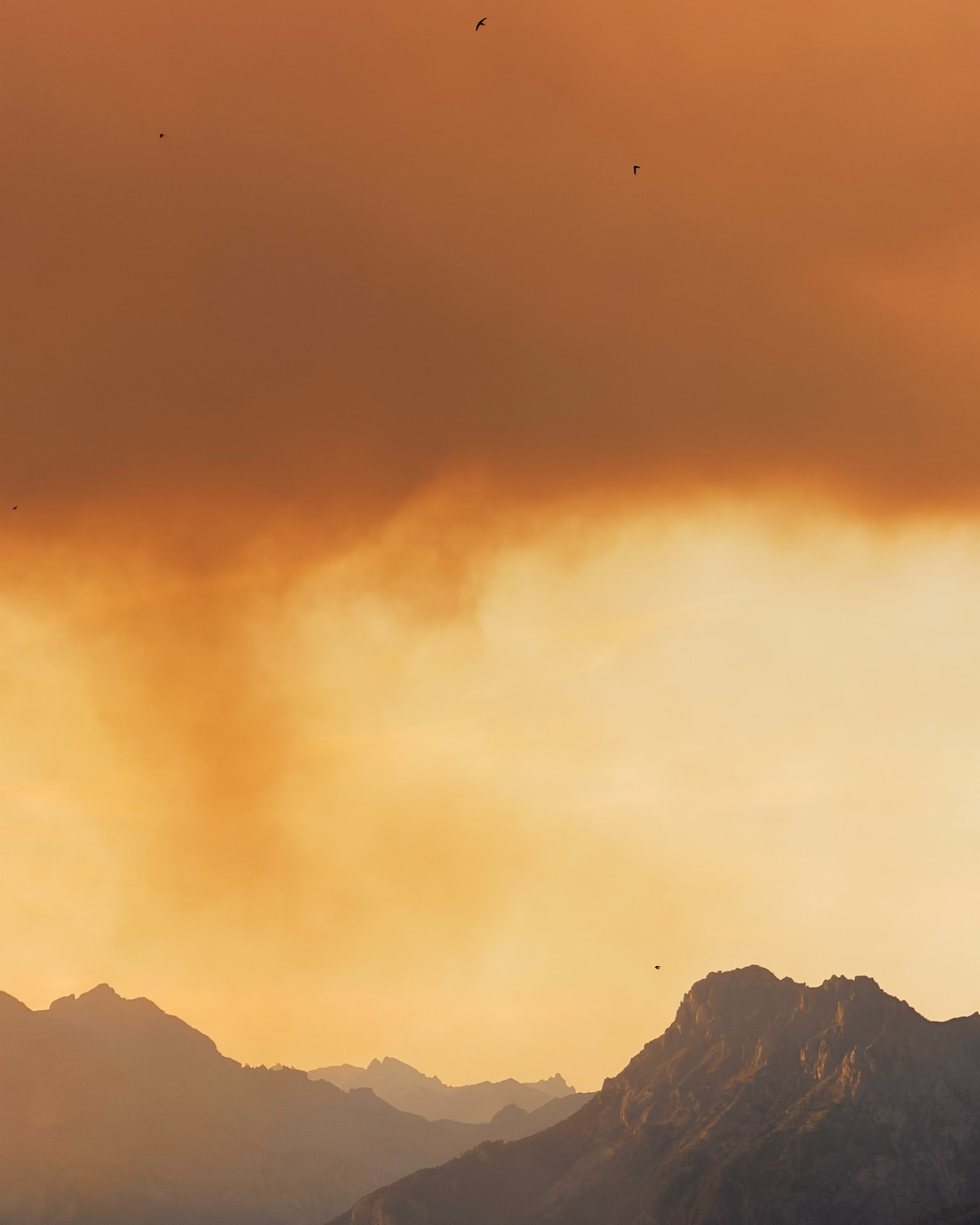
The race itself changed. Fires and safety decisions altered stages and access. Plans made the night before stopped being true somewhere around breakfast.
Long mountain transfers
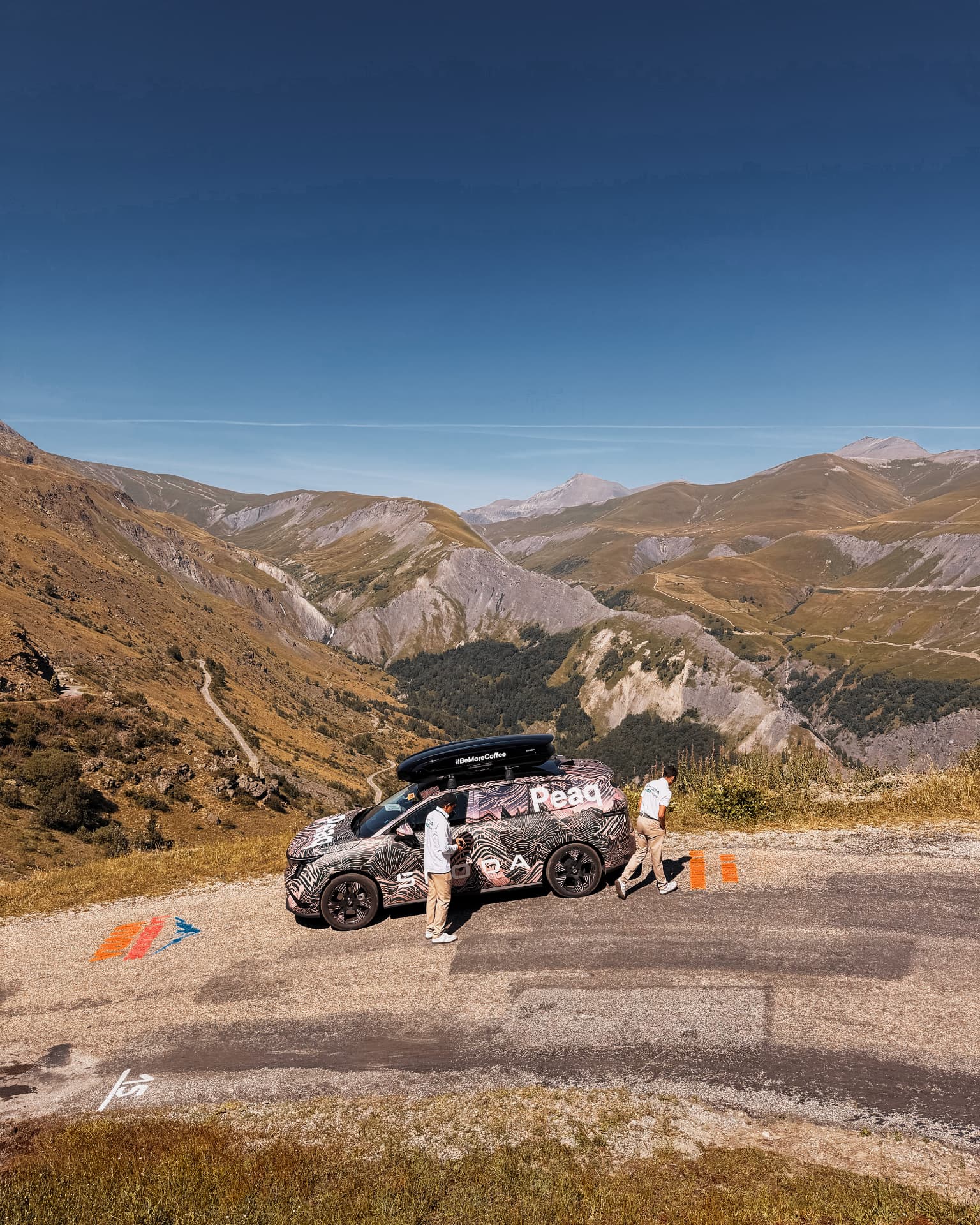
Between one stage town and the next there were hours of switchbacks. The transfer was not downtime — it was the only production window we had.
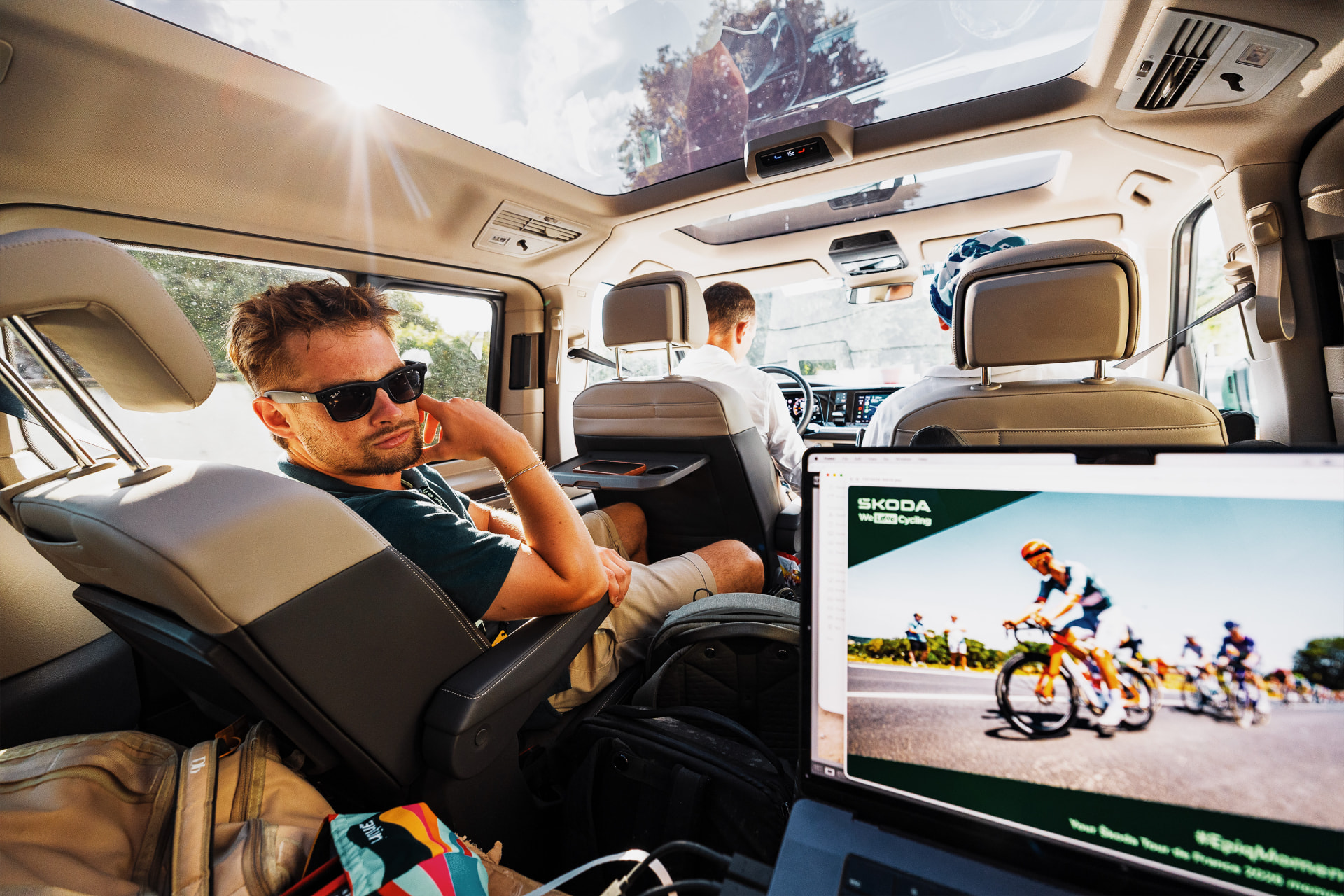
Editing in the Multivan
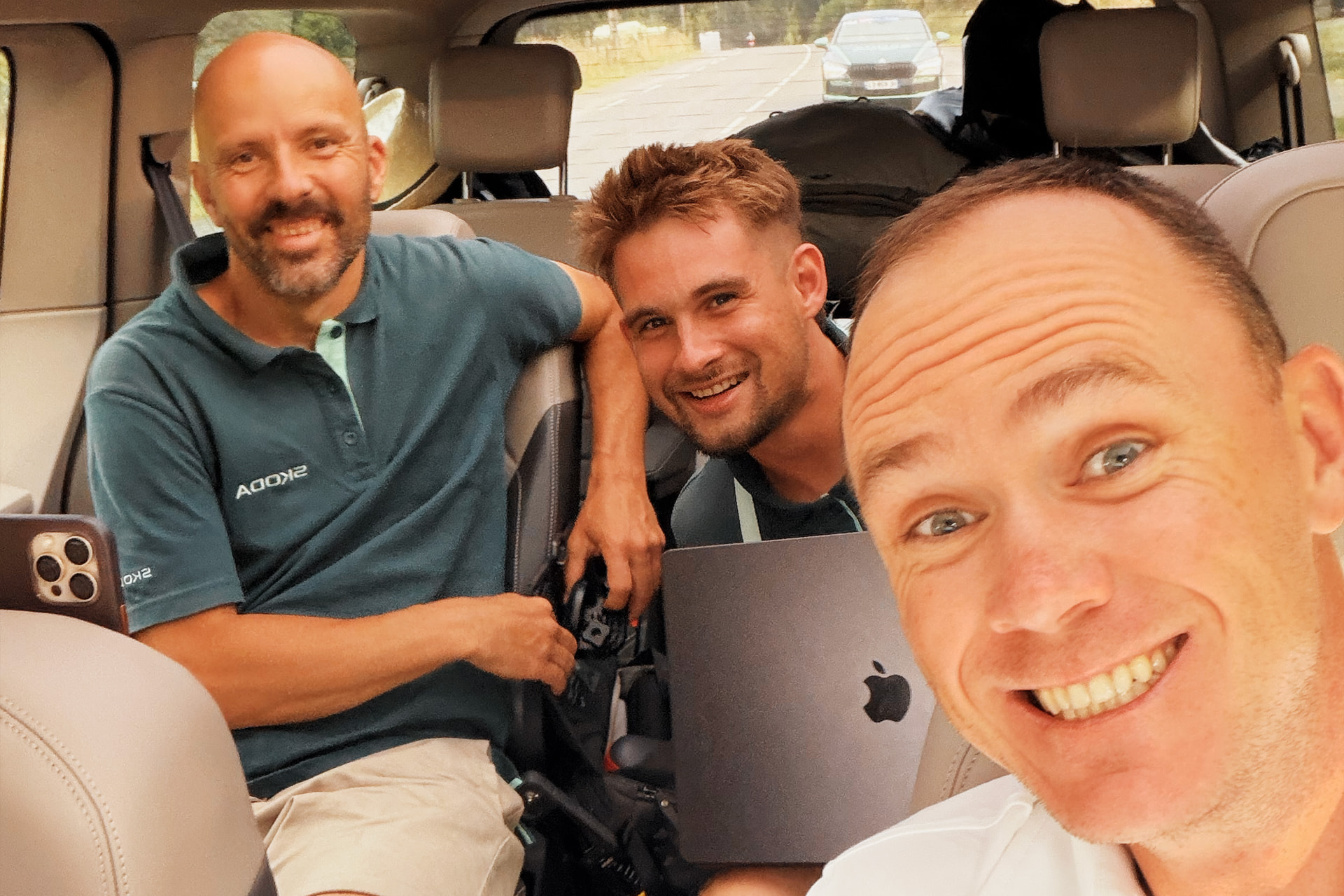
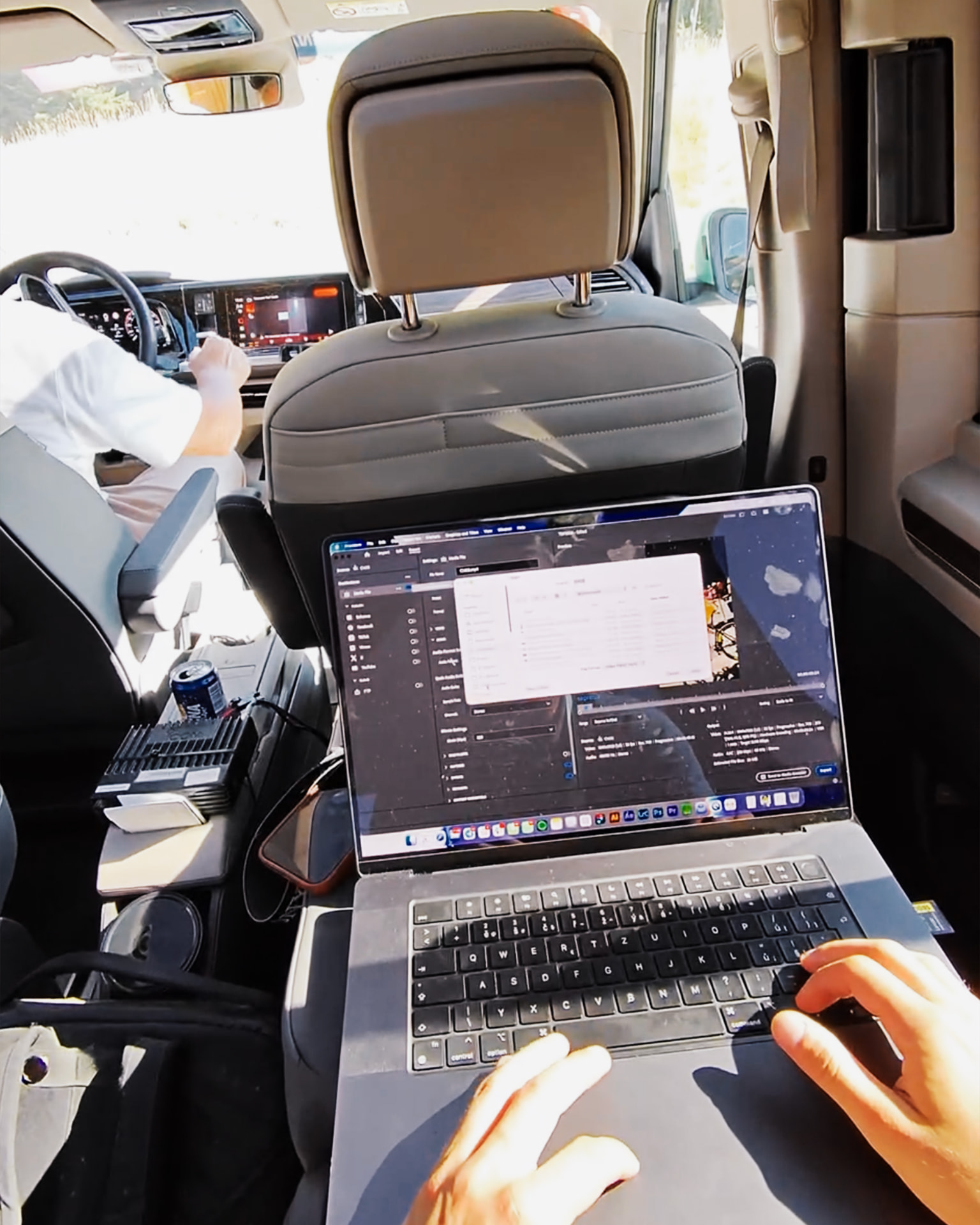
The edit suite was a Volkswagen Multivan moving through the Alps. One hand on the MacBook. One hand on whatever stopped you sliding across the car. Exports rendered between corners.
Approvals while travelling
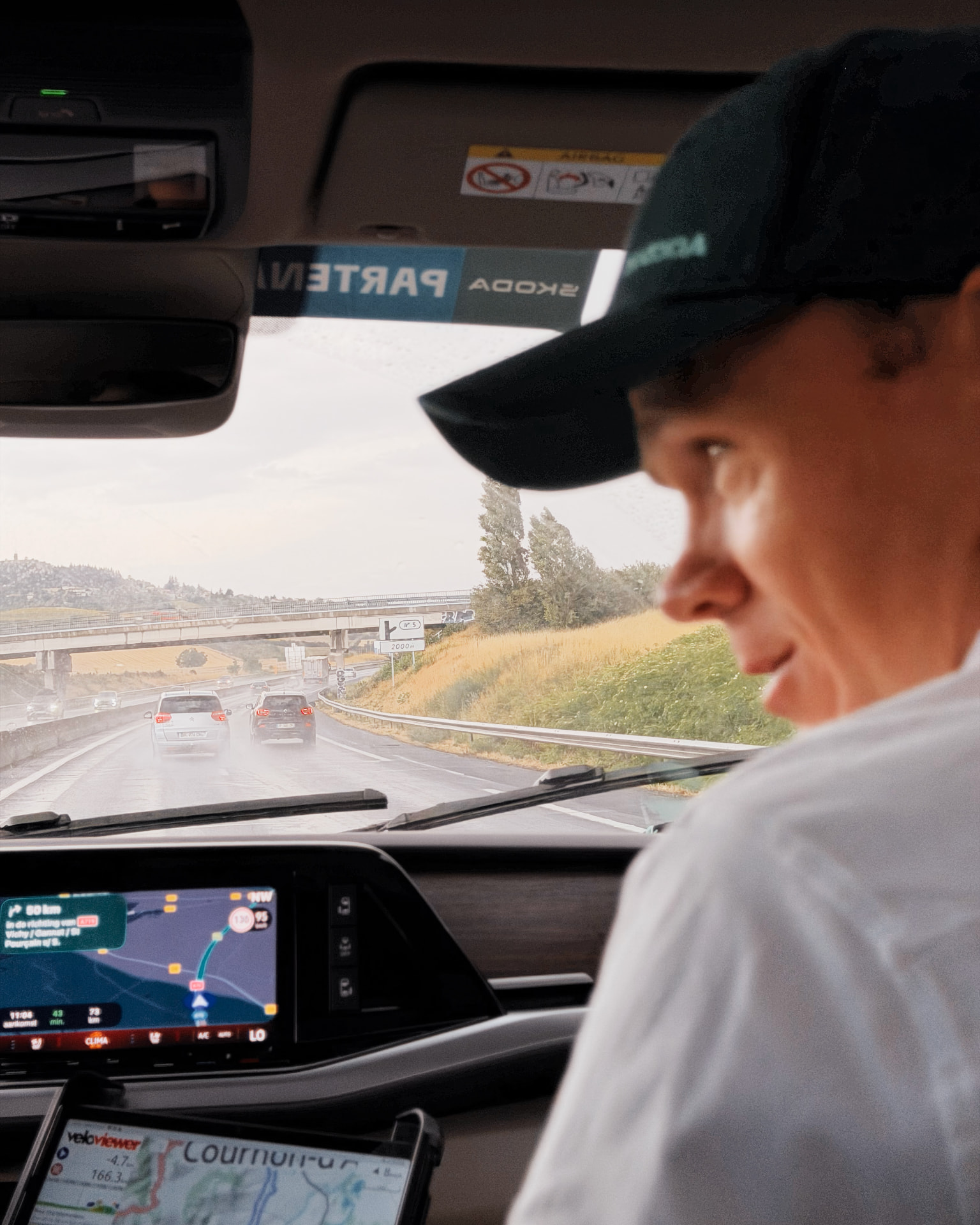
Feedback loops did not pause because we were on a mountain. Copy, cuts and approvals happened in motion, and the piece still had to be live the same day.
And it still went out
18 hotels, 29 days, and not one day where we decided the conditions were a good enough reason to publish nothing.
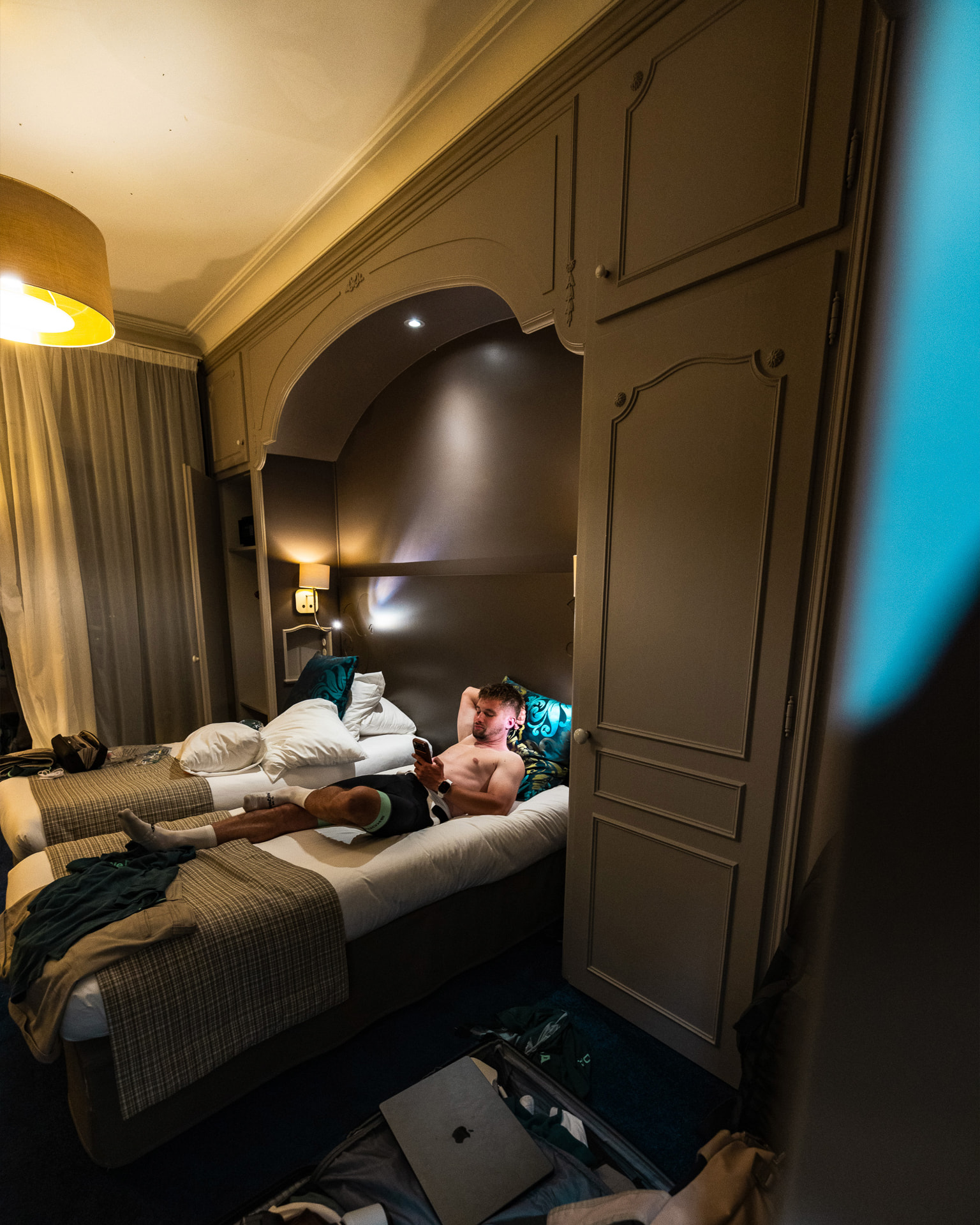
Content still had to go out. Every single day.
The strategy stayed. What we learned changed the content.
The original EPIQ framework remained the backbone of everything we published. But once we were physically inside the race, one pattern became impossible to ignore.
Proximity works.
People did not need another race recap.
They wanted to feel like they were sitting in the car. Standing beside the riders. Inside the crowd. Seeing what happened five minutes before the cameras went live. Meeting cycling legends as people rather than athletes.
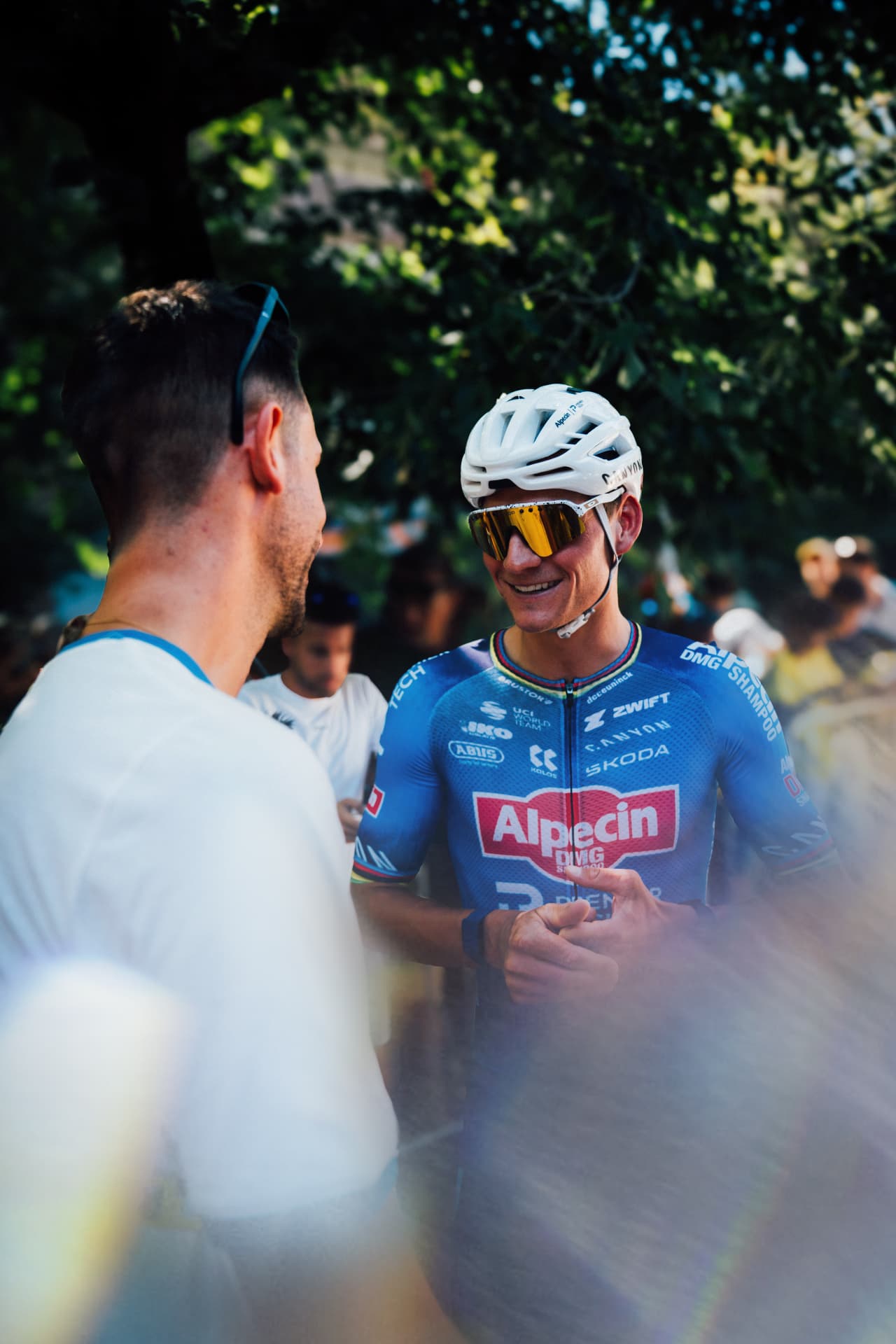
A fast, repeatable reaction format built during the race and approved inside a day.
Same-day responses to whatever the stage actually produced.
The roadside became the subject instead of the backdrop.
People carrying the brand — riders, legends, creators, guests.
Also created on the road: Executive storytelling
The framework gave us consistency. Proximity gave us another layer.
Our biggest video was never supposed to exist.
Fans surrounded the pre-race car. They started rocking it.
Chris Froome was behind the wheel. Everyone inside started laughing. There was no production setup. No script. No second take.
I pulled out my phone.
Shot on a phone, from inside the moment
Organic views · highest-performing video of the campaign
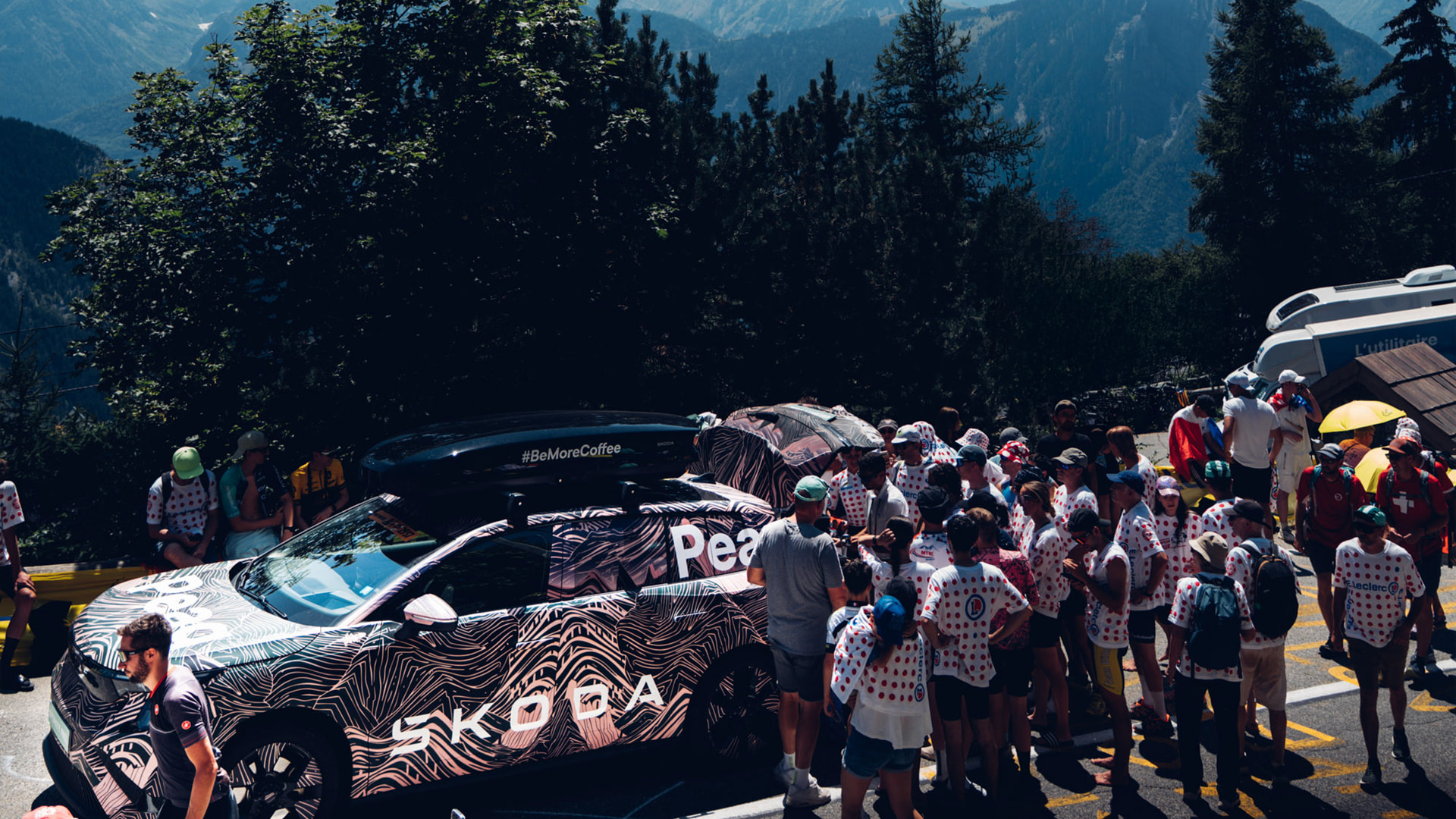
You cannot plan authenticity. You can plan proximity.
At the Tour, eleven minutes can already be too late.
Pogačar finished Stage 10. The social conversation started immediately. There was no “we’ll edit this tonight.”
Published — ten minutes after the line
Speed was not the absence of process. It was the result of it.
Impact
The operation behind it
Two films. Two sides of the operation.
This is what 29 days felt like.
The road, the race, the people and the moments that made the system real.
This is what the system looked like in practice.
One creator, one Tour day, one format built around real moments.
We could keep scrolling, but 117 pieces don't all fit on one page. So here's where the rest of them live.
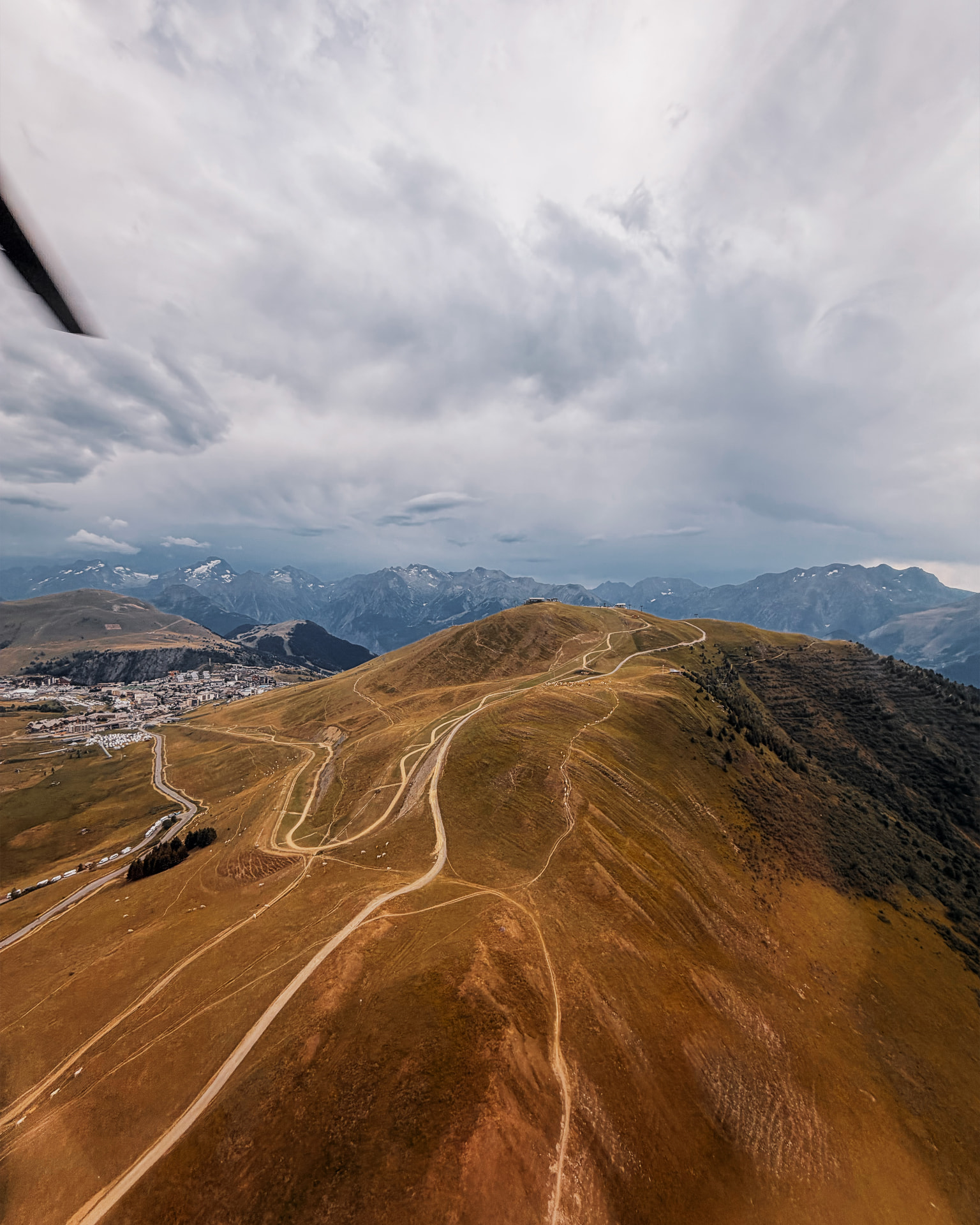
See the full campaign on InstagramAfter covering the final mountain stage at Alpe d’Huez, there was no car transfer to Paris. We had to move immediately.
Helicopter off the mountain.
Grenoble Airport.
Straight to Paris by air.
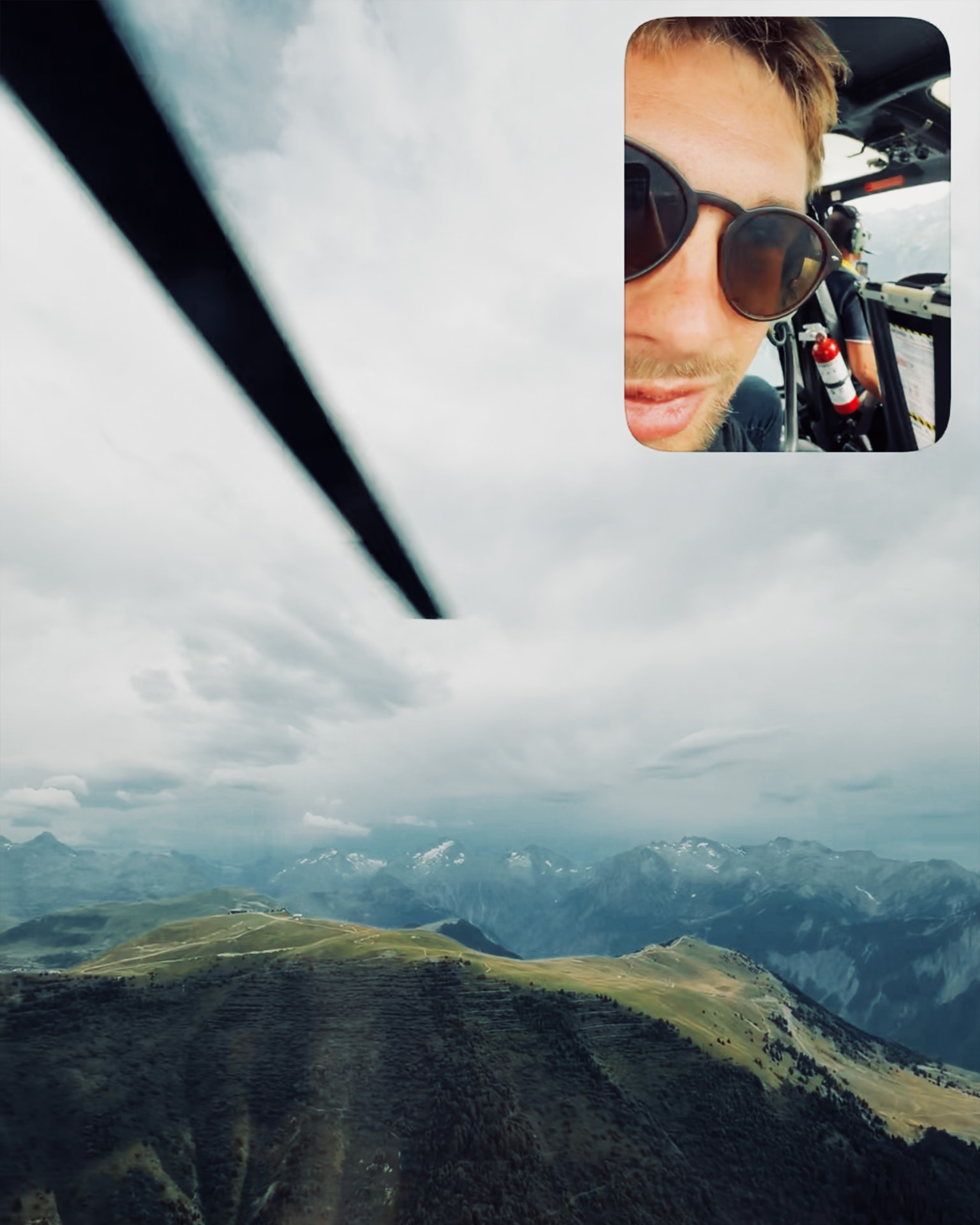
The reason? A production call sheet for the next morning.
A Day at the Tour de France with Klaus Zellmer, CEO of Škoda Auto. Storyboard, production, direction, filming, editing, feedback and final delivery — with the clock running again from zero.
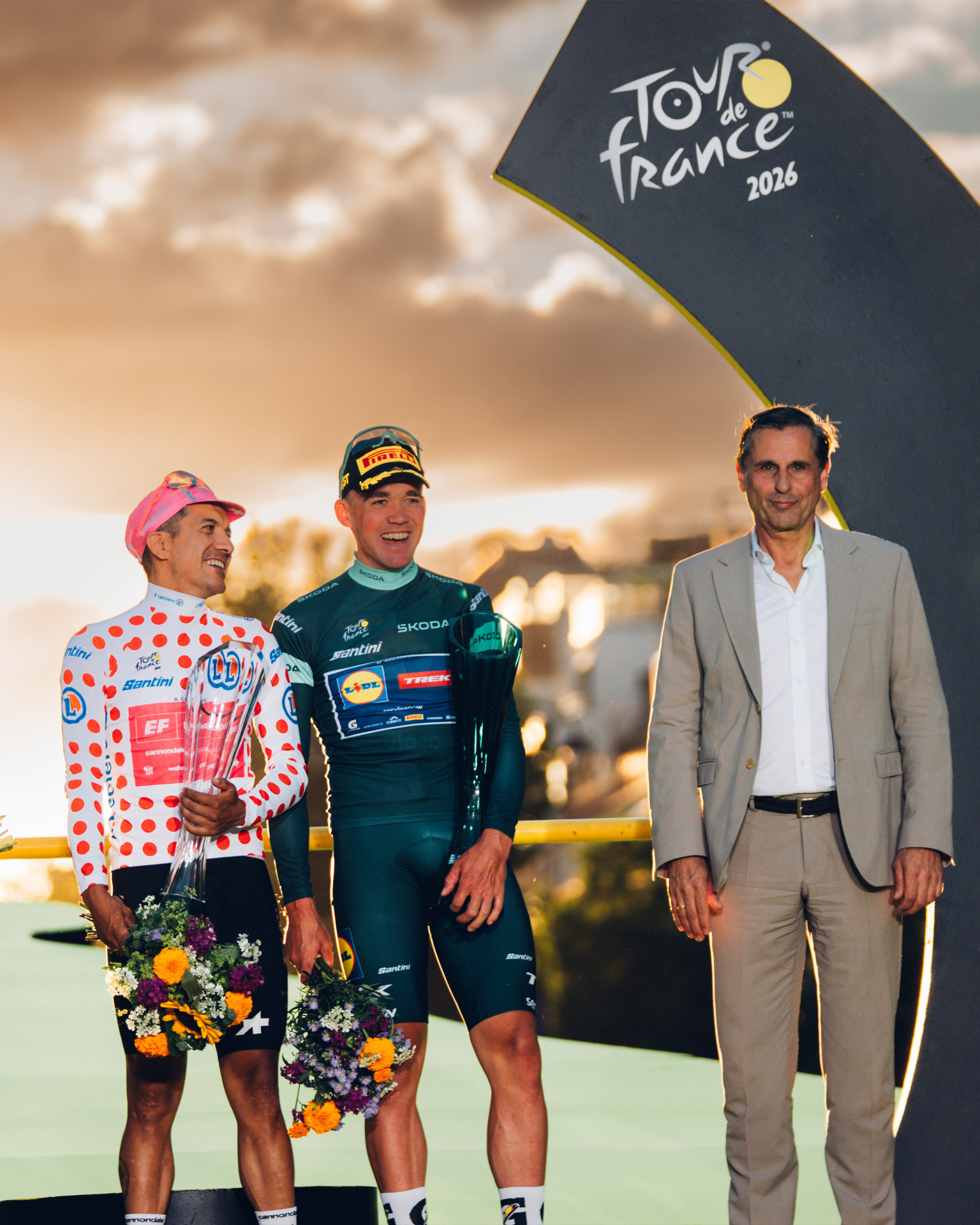
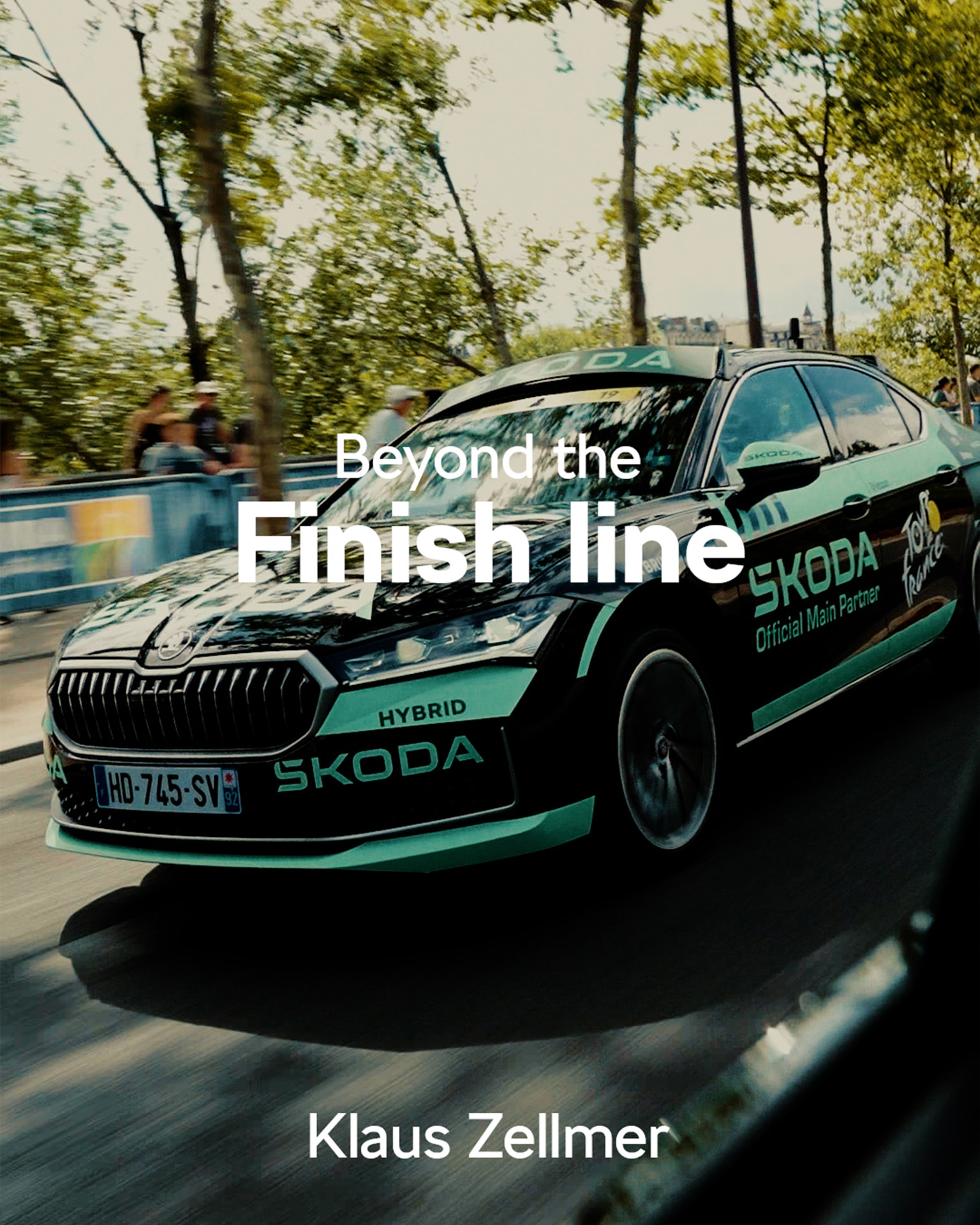
The same content operation had to work for fans one day and for the CEO the next.
Paris looked like the finish. It wasn’t.
Four more days: two before racing, two stage days. The content system continued straight into Tour de France Femmes — unchanged, and already proven.
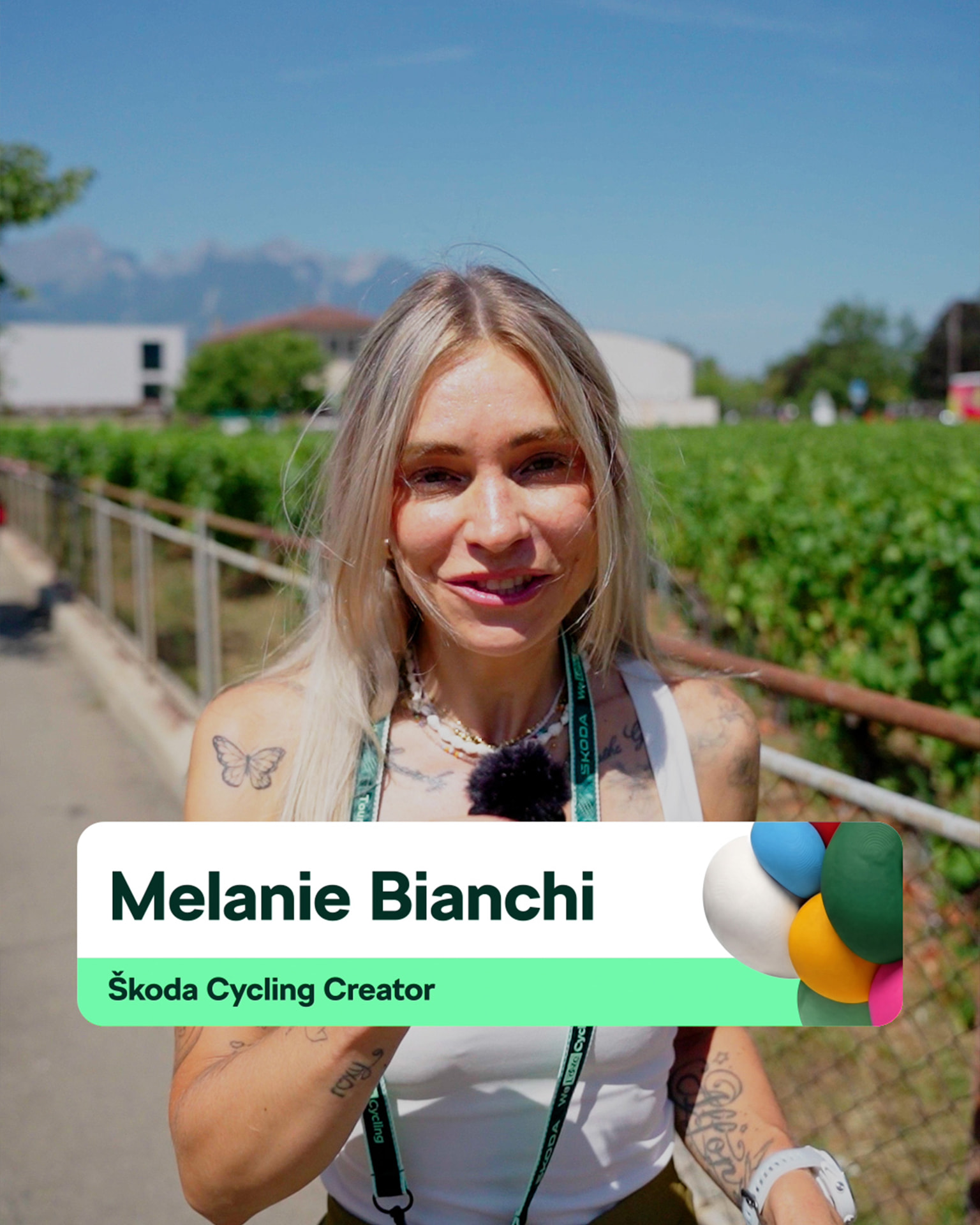
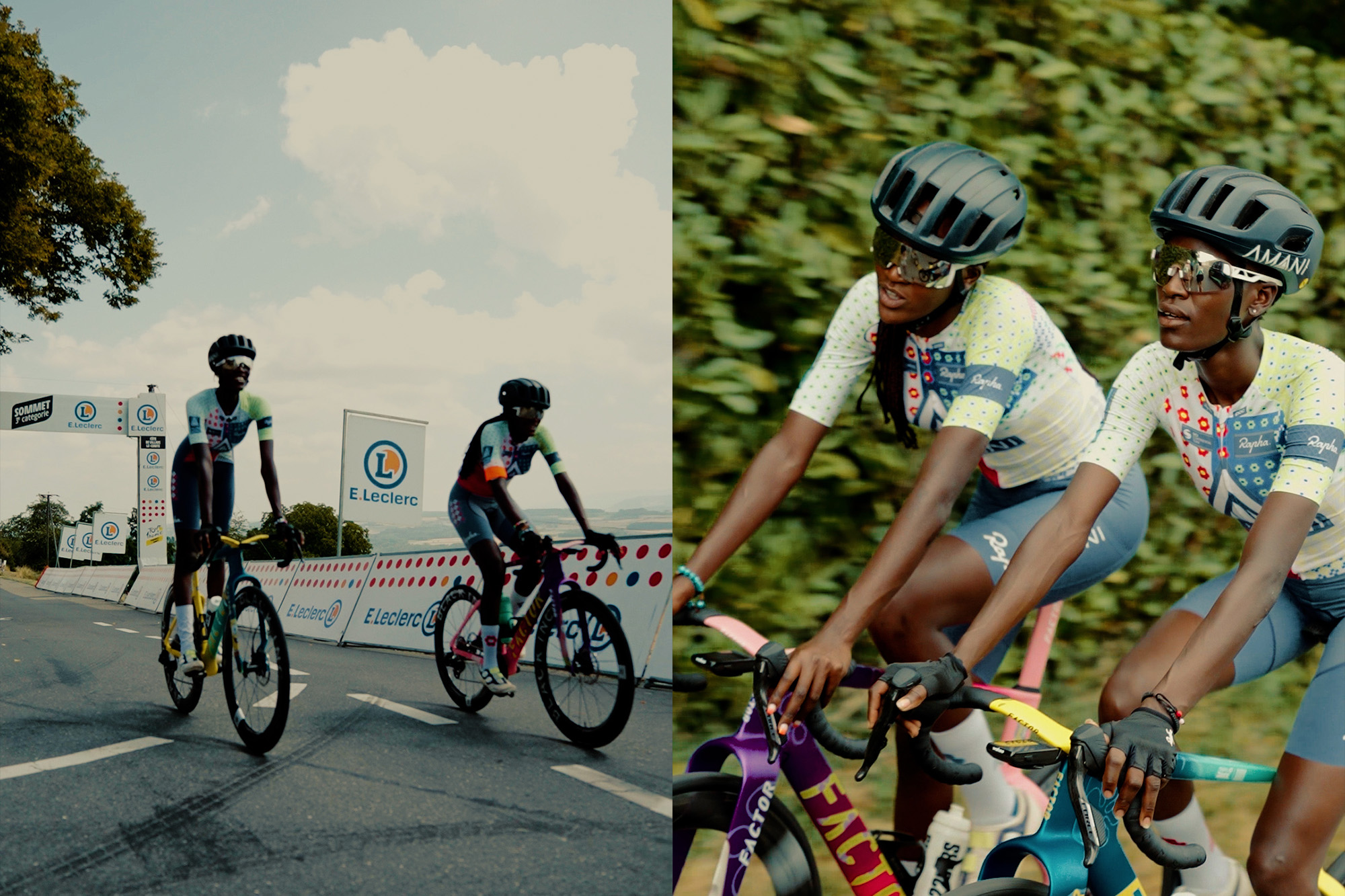
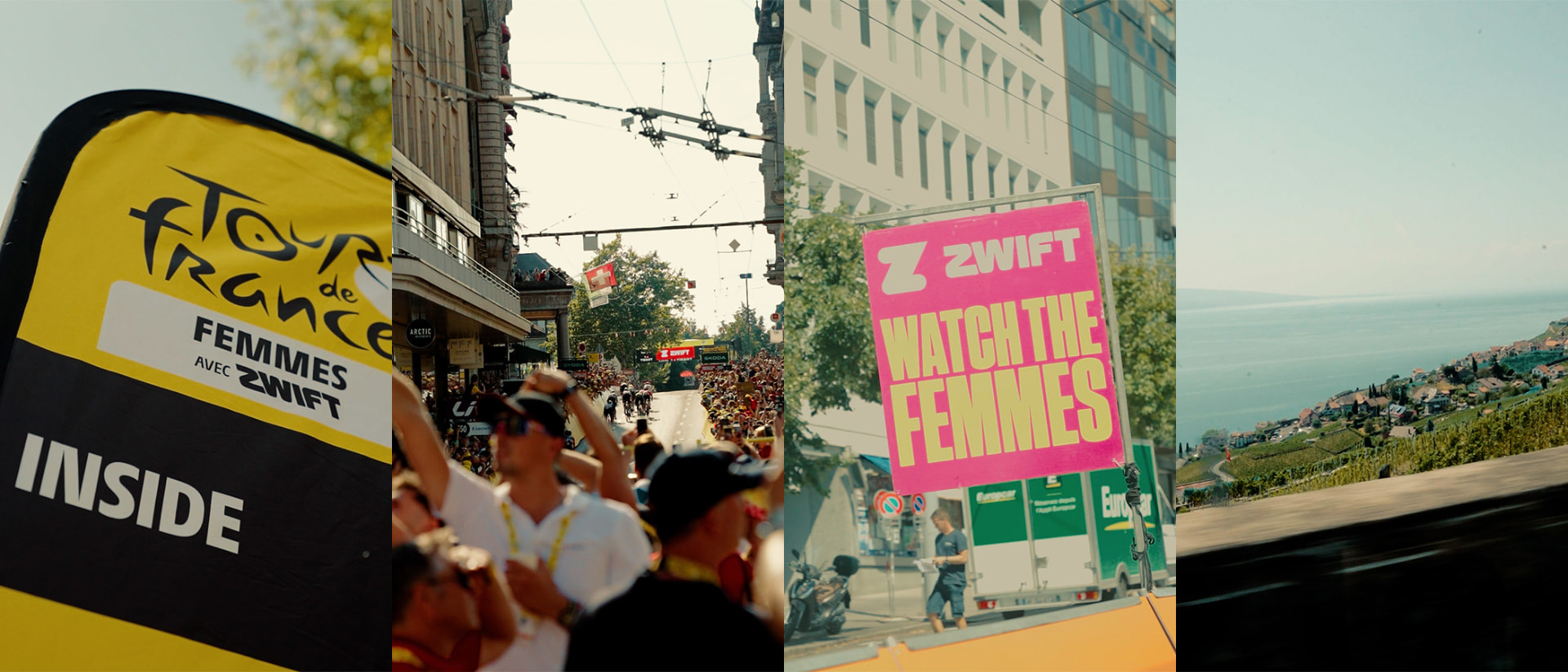
Two phases. Two completely different jobs.
Digital Strategist / Creative Lead
Building the machine.
- Content & creative strategy
- EPIQ Moments / campaign framework
- Content architecture & format development
- Creator & ambassador integration
- Social & localisation planning
- Publishing & real-time workflow
- Production planning & strategic iteration
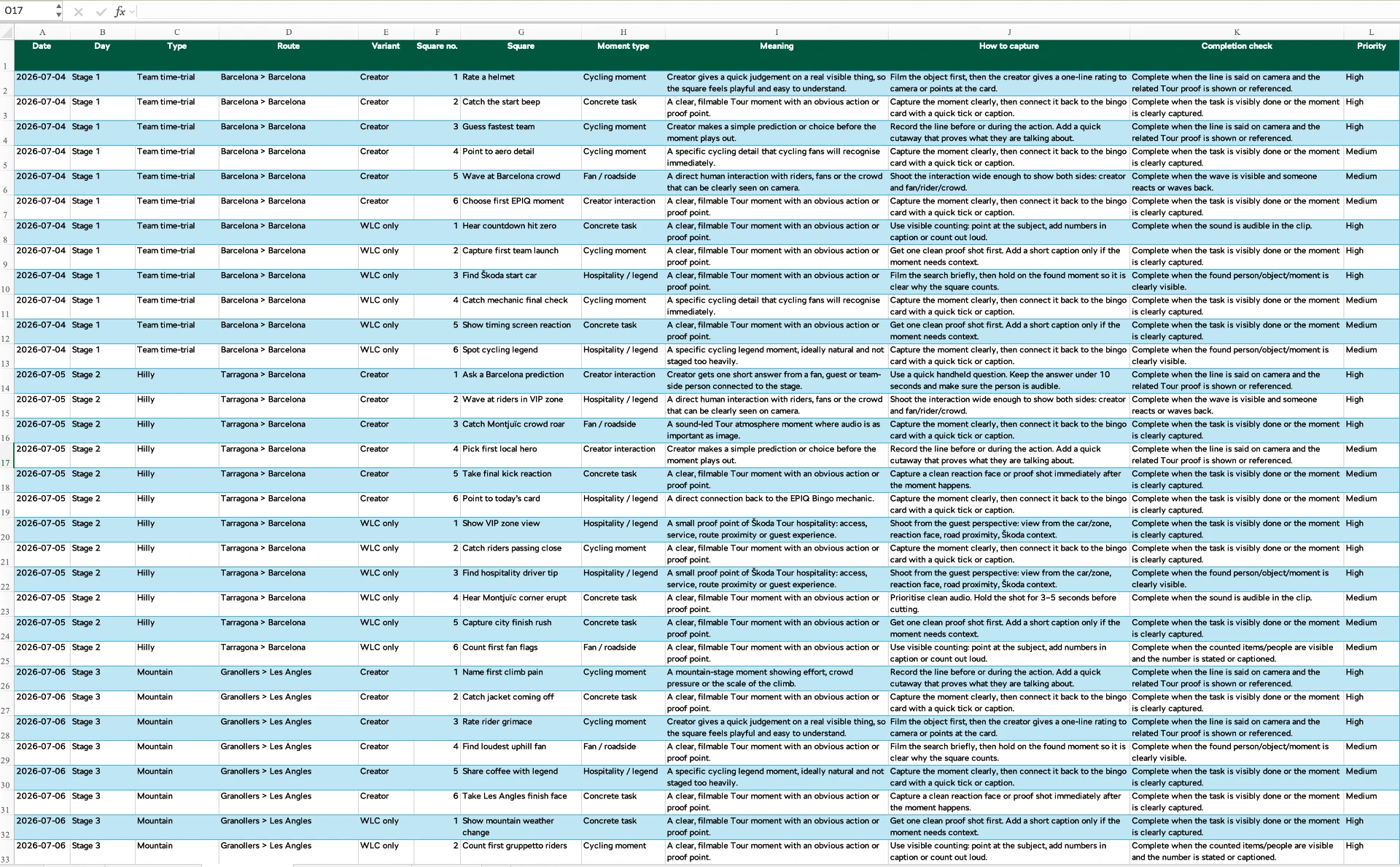
On-Site Content Lead / Director / Producer
Making it work in reality. Hands-on from direction and production to camera, photography, edit, motion and publishing.
- Creative direction & production
- Direction, camera & photography
- Editing & motion
- Social publishing, copy & community
- Real-time decisions & optimisation
- Talent / creator coordination
- Client approvals & daily planning
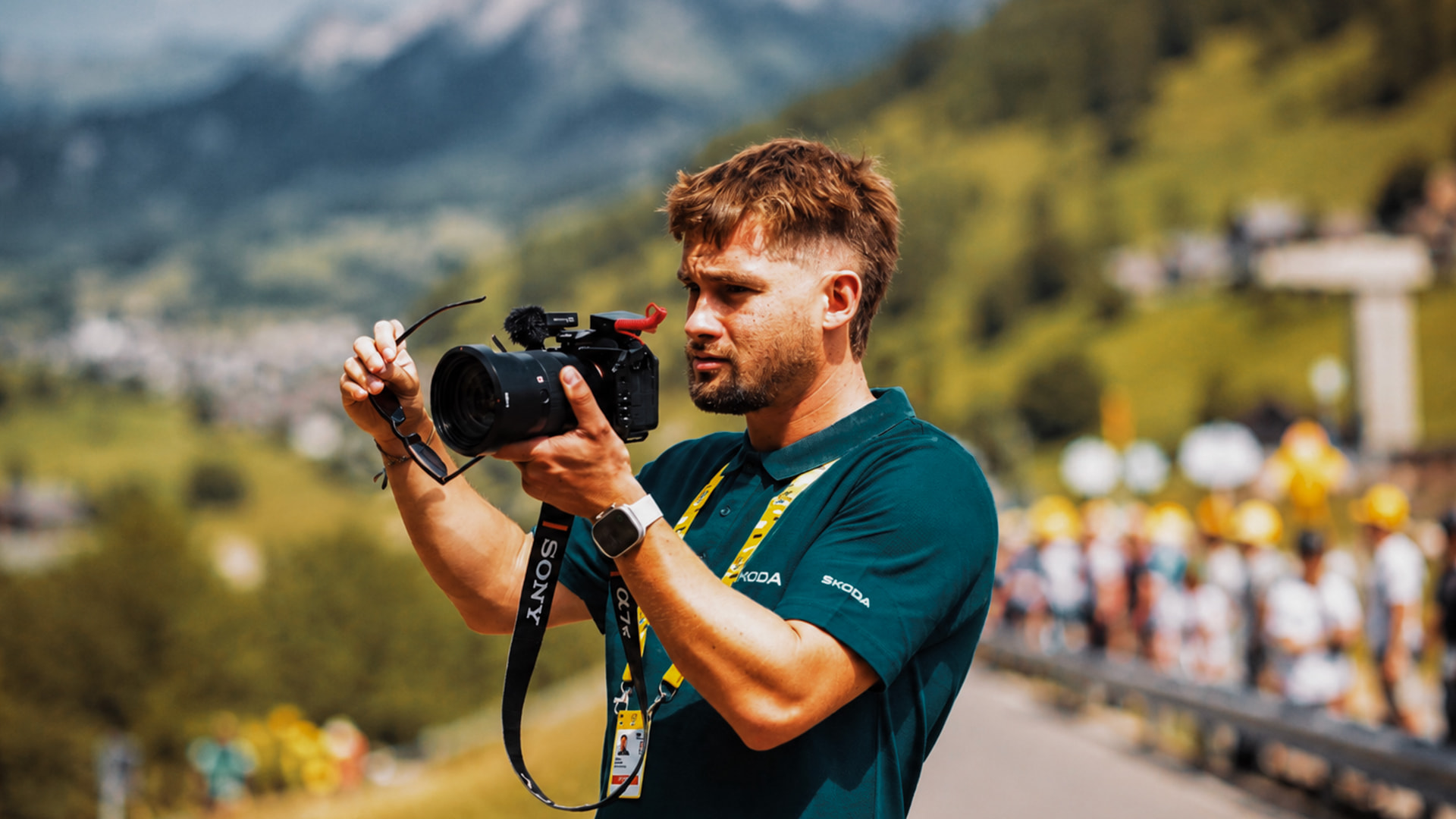
I helped build the system. Then I spent 29 days finding out whether it actually worked.
Built in meetings. Tested in mountains.
- Mustard WLC Team
- Šimon KunclAccount directorŠtěpán VykypělAccount managerNarn BadmaevArt directorTereza Brych AntonováEditor
- We Love Cycling
- Jan HejnaEliška Mrázková
- Škoda Auto
- Martin HamplTomáš Oškera
- Photography & Support
- Jakub FreyBehind the scenes photos and support
Six months to build the system.
29 days to test it against reality.
117 core content pieces. 30M+ organic views. And a much clearer understanding of what I would build next.